01134 035 336
sell@propertysaviour.co.uk
5 Star Rated. Trusted By Sellers Like You.

Can a House Stay In a Deceased Person’s Name In The UK?

A house can stay in a deceased person’s name temporarily, but the property cannot be sold or transferred until probate is granted and the Land Registry records are updated with the new owner’s details. The deceased remains the registered owner on title deeds until executors submit the grant of probate (or letters of administration) along with proper transfer forms to HM Land Registry.

Recent figures show that approximately 67% of inherited properties in the UK take longer than six months to sell through estate agents, with executors spending an average of 14 hours weekly managing probate responsibilities. Around 42% of families experience disputes over inherited property timelines, making an already painful situation even worse.

Holding onto inherited property for extended periods drains estates financially and emotionally. Every month the property sits empty costs executors money through mortgage payments, council tax, insurance, utilities, and maintenance. Properties deteriorate faster when vacant. Pipes burst. Damp spreads. Gardens become overgrown. Thieves target empty homes. The longer a property remains unsold, the more value it loses through neglect and mounting bills.

Estate agents promise high prices but deliver months of stress with no guarantees. They want lengthy marketing periods to justify their commission. Viewings disrupt executor schedules repeatedly. Buyers pull out after surveys. Chains collapse at the last minute. Meanwhile, bills keep arriving and the pressure intensifies.

Property Saviour eliminate this nightmare. We buy inherited properties at 70% of realistic market value with a guaranteed completion. No marketing period. No viewings. No chains. No buyer surveys triggering renegotiations. Executors choose the completion date with complete flexibility. We contribute £1,500 minimum towards legal fees.

The offer we make is the price we pay, with our price promise guarantee protecting executors from last minute reductions. Families get certainty when everything else feels uncertain, allowing them to move forward instead of remaining trapped in limbo whilst watching bills mount and property values decline.

When someone dies, their property doesn’t automatically transfer to beneficiaries. The estate remains frozen until probate is granted. This legal process confirms who has authority to deal with the deceased’s assets and ensures debts are paid before distribution. Executors named in the will (or administrators if there’s no will) must apply for this authority before they can sell inherited house or transfer ownership.

The Land Registry keeps the deceased’s name on property records during this period. Bills continue arriving in their name. Mortgage payments still need covering. Empty property insurance becomes necessary. Many executors feel completely overwhelmed when solicitors use confusing jargon and the grief compounds every bureaucratic hurdle.

Do You Need Probate To Sell An Inherited House UK?

Yes, probate is required to sell inherited property if the deceased was the sole owner and the estate value exceeds £5,000. Without that grant of probate, no solicitor will complete the conveyancing because the executor has no legal authority to transfer ownership. Estate agents might list the property as “subject to probate,” but no sale can actually complete until the grant arrives.

Some banks and building societies release funds below £5,000 without probate, but property almost always exceeds this threshold. Land Registry will reject any transfer application without proper probate documentation attached.

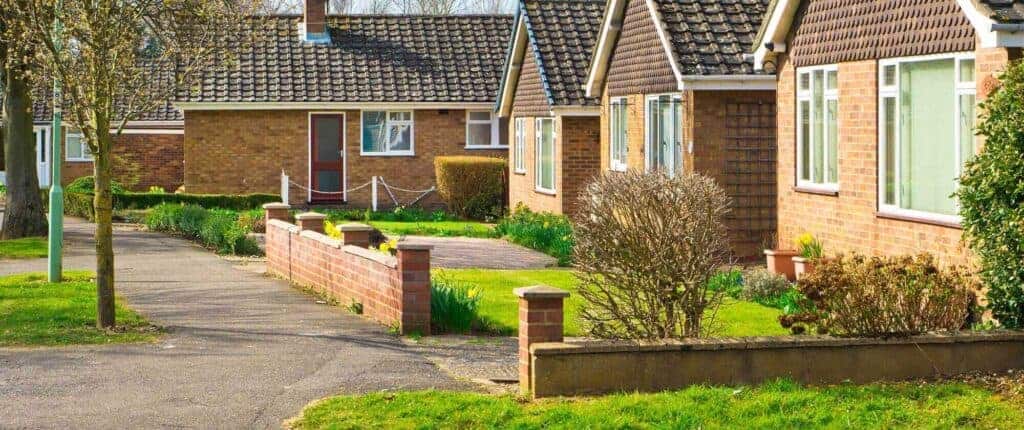
Bright suburban houses with well-maintained gardens, pathways, and brick exteriors showcasing Property Saviour's property management services in the UK.

When Probate Isn’t Required For Property Transfer

Joint tenants hold property differently than tenants in common. When one joint tenant dies, ownership passes automatically to the surviving joint tenant without needing probate. The survivor simply sends the death certificate to Land Registry using form DJP (death of joint proprietor) to remove the deceased’s name from the title.

This exception only works for joint tenants. If the deceased owned property as tenants in common, their share forms part of the estate and probate becomes necessary to transfer that share.

How Long Can You Leave A House In A Dead Person’s Name?

No legal time limit exists for how long property can remain registered in a deceased person’s name. However, practical problems multiply with every passing month. Mortgage lenders will eventually demand repayment if monthly payments stop. Utility companies need someone to take responsibility for bills. Insurance policies may become invalid if the property stands empty beyond 30 to 60 days without specialist cover.

Property deteriorates when left vacant. Squatters occasionally move in. Vandalism becomes more likely. The longer executors delay, the more the estate loses value through ongoing costs and physical decline. Losing someone dear is devastating enough without watching their home fall into disrepair while waiting for probate.

The Probate Application Timeline And Delays

Probate applications take between four and eight weeks minimum when submitted correctly with all supporting documents. Complex estates involving inheritance tax push this timeline to six months or longer. HMRC must receive payment of any inheritance tax due before the Probate Registry will issue the grant.

Inheritance tax applies when estates exceed £325,000, charged at 40% on amounts above this threshold. Property often pushes estates over this limit, forcing executors to find cash to pay HMRC before probate arrives. Some executors need to arrange bridging loans or negotiate payment by instalments, adding months to an already lengthy process.

Can You Sell A House Before Probate Is Granted UK?

Selling a house before probate is granted remains extremely difficult and risky. Technically, all beneficiaries could sign consent forms agreeing to the sale, and a buyer might accept this arrangement with proper legal indemnities. But most mortgage lenders refuse to lend against such purchases, limiting buyers to cash buyers only.

Property auctioneers sometimes accept pre-probate instructions if all beneficiaries provide written agreement. However, the sale cannot legally complete until probate arrives. Any buyer committing to purchase before probate takes significant risk that disputes might emerge between beneficiaries or unexpected debts surface.

What Happens If You Don’t Register A Death With Land Registry?

Property remains in the deceased’s name indefinitely if death isn’t registered with Land Registry. Future transfers become increasingly complicated as years pass. Title chains develop gaps that solicitors struggle to resolve. Potential buyers get nervous about unclear ownership history.

Executors must eventually update Land Registry records using form AP1 (application to change the register) along with the grant of probate and either an assent form (AS1) if keeping the property or a transfer form (TR1) if selling. Delays in registration don’t invalidate ownership rights, but they create unnecessary obstacles when selling inherited property later.

Margaret Thornton’s Probate Nightmare Solved

Margaret Thornton from Leeds inherited her mother’s three bedroom terrace in Harehills. The will appointed Margaret as executor alongside her brother David. Their mother died in August 2025, but complex pension assets delayed probate until January 2026. Meanwhile, the mortgage demanded £890 monthly. Council tax bills arrived. The boiler broke down mid December, flooding the kitchen.

David wanted to list with estate agents and wait for top market price. Margaret couldn’t afford to keep funding bills while waiting months for a buyer who might need their own property to sell first. Family gatherings became battlegrounds. Estate agents quoted three to six months to find a buyer, plus their 1.5% commission. Property auctioneers wanted 3.5% fees and the next auction wasn’t until March.

Margaret contacted Property Saviour in late January 2026. We explained the 70% offer clearly with no hidden surprises. Margaret could choose the completion date after probate arrived. We contributed £1,500 towards her legal fees. She used her own solicitor, someone she trusted. David eventually agreed because the certainty removed all financial pressure. They completed in February, and Margaret finally had closure.

Comparing Your Selling Options For Inherited Property

Executors face four main methods to sell inherited property, each with vastly different timelines, costs, and risks that will directly impact how much the estate receives and how quickly beneficiaries get closure.

Method Of SaleTimeline To CompleteFees And CostsCompletion Date ControlPrice CertaintyHidden Risks
Estate Agents3 to 6 months average1% to 3% commission plus marketing costsBuyer dictates timeline, chain delays commonPrice drops likely if survey reveals issuesBuyers pull out regularly, gazundering at last minute
Property Auctioneers2 to 4 months to auction date2.5% to 3.5% fees plus catalogue costs, legal pack feesAuction house controls timelineReserve price might not be met, property passed unsoldBuyers can default on purchase, 10% deposit forfeit but property unsold
Dodgy Cash BuyersPromise 7 days then delayNo upfront fees but lowball offers, reduce at last minuteClaim flexibility but pressure for speedOffers drop 20% to 30% after surveyDisappear or demand renegotiation, multiple survey visits
Property Saviour3 to 4 weeks after probateNo fees to seller, 70% realistic valuationSeller chooses completion date with full flexibilityPrice promise guarantee, no reductionsNone, we complete as agreed

Estate Agents Create Problems For Executors

Estate agents charge between 1% and 3% commission on achieved sale price. They push for high listing prices to win instructions, then pressure executors to drop prices when viewers don’t materialise. Marketing drags on for months while bills mount up. Viewings require executors to attend or arrange key access repeatedly.

Buyers found through estate agents usually need mortgages, creating chains that collapse frequently. Surveys reveal issues that trigger renegotiations. Gazundering (buyers dropping their offer at the last minute) happens in roughly one in three property transactions. Executors have no control over completion dates because buyers dictate timelines based on their own chain.

Estate agents don’t care about executor stress. They want maximum commission. If the property doesn’t sell, they’ve lost nothing except some marketing costs. The executor bears all the financial burden of ongoing bills, insurance, and maintenance.

Why Property Auctioneers Aren’t The Answer?

Property auctioneers seem attractive because they promise speed and certainty. The reality disappoints. Auction houses charge between 2.5% and 3.5% in fees, often with additional costs for legal pack preparation, catalogue placement, and marketing. Auction dates might be two to four months away, meaning more bills to pay while waiting.

Reserve prices protect sellers from very low sale prices, but if bidding doesn’t reach the reserve, the property remains unsold. Auctioneers then try to negotiate with the highest bidder after auction, often pushing executors to accept less than reserve. Around 35% of properties at auction either withdraw before sale day or fail to meet reserve.

Buyers at auction sometimes default on completion. They lose their 10% deposit, but the executor still has an unsold property and must start the process again. Auctioning a property also signals desperation to the market, making future marketing more difficult if the auction fails.

Exposing Dishonest Cash Home Buyers

The we buy any house industry contains many honest buyers but also plenty of chancers who play dirty. They promise quick completions and fair offers, then reduce their price by 20% to 30% after surveying the property. Their method relies on wearing executors down with delays until desperation forces acceptance of terrible offers.

Here’s how to protect yourself and spot liar cash buyers before wasting time:

  1. Check Companies House at gov.uk/get-information-about-a-company
  2. Search for the buyer company by name or registration number
  3. Review their filing history for red flags like overdue accounts
  4. Click on “Charges” to see if they have strings of charges registered against them
  5. Multiple charges often indicate they’re borrowing heavily to fund purchases, meaning they’re not real cash buyers at all
Briging loan

Genuine cash home buyers like Property Saviour operate transparently. We’re registered at Companies House with clean filing history. We have real success stories from actual homeowners who chose us over estate agents and property auctioneers. We don’t play games with offers or completion dates.

Ready To Sell Without The Hassle?

How do we compare with other methods of sale?
If you are flexible on the price, and need speed and certainty of sale, we are the ones to trust.
Method of sale Value achieved Fees Timeframe Is sale guaranteed?
Estate agents 90–95% 1–5% 3–6 months No – one in three sales collapse
Auctioneers 70–80% 2% plus 2–3 months No – half of properties don’t sell
Property Saviour 70–80% £0 10–28 days Yes – 99% success rate
Get a formal cash offer within 48 hours — no surveys, no delays, no fees.

Why Our 70% Offer Represents Fair Value?

We buy at 70% of realistic market valuation, giving sellers an immediate exit. This isn’t random. Our business model requires covering real costs that many people don’t consider when comparing offers.

Here’s the complete breakdown:

Property purchase at 70% leaves 30% to cover all business costs and risk. From that 30% margin, we pay approximately 2% in legal costs for our solicitors to handle the purchase conveyancing and title checks. Holding costs consume another 3%, including empty property insurance, council tax, utilities, security, and professional cleaning. Stamp duty takes 5% because we must pay this government tax on every property purchase.

When we eventually resell the property, estate agent fees and solicitor costs take approximately 5% of the resale price. That leaves around 15% gross profit before corporation tax, which government takes at 25% for limited companies. Business overheads, staff costs, marketing, and offices consume most of what remains.

The 70% offer gives executors certainty, speed, and zero hassle. No viewings. No chains. No buyer surveys triggering renegotiations. No gazundering. No waiting months hoping someone appears. We complete when the executor chooses after probate arrives, with flexibility built in.

Our Price Promise & Flexibility Commitment

Property Saviour stand apart from other cash home buyers through our price promise guarantee. The offer we make is the price we pay at completion. No reductions. No sneaky renegotiations after surveys. No pressure tactics.

Sellers control completion dates with complete flexibility. Some executors need to complete quickly to stop mortgage payments draining the estate. Others prefer waiting until probate formalities finish properly. We adapt to whatever timeline suits the executor best.

We contribute a minimum of £1,500 towards legal fees, reducing the financial burden on estates. Executors can use their own solicitor rather than being pressured to use ours. This independence gives peace of mind that someone is protecting the executor’s interests throughout.

Real success stories from inherited property transactions prove our approach works. Families across Britain have chosen us over estate agents and property auctioneers because we deliver certainty when they need it most.

Who Pays Inheritance Tax On Property?

The estate pays inheritance tax before probate is granted, not individual beneficiaries. Tax is charged at 40% on estate values exceeding £325,000, though various allowances and reliefs can increase this threshold. When the estate includes property passing to a direct descendant, the residence nil rate band adds another £175,000 of tax free allowance.

Executors must calculate tax due, submit accounts to HMRC, and pay before the Probate Registry issues the grant. This creates a cash flow challenge because property cannot be sold to raise funds until after probate arrives. Many executors use personal savings or estate bank accounts to pay HMRC, then reclaim these amounts from property sale later.

What If Beneficiaries Disagree About Selling Inherited Property?

Disagreements between beneficiaries over whether to sell inherited house and at what price cause months of painful delay. Executors have a legal duty to act in all beneficiaries’ best interests, not just some. When beneficiaries can’t agree, executors sometimes need court applications to resolve disputes.

Court proceedings add thousands in legal costs and six to twelve months in delays. Meanwhile, the property continues generating bills. Relationships fracture under the stress. Mediation services sometimes help beneficiaries reach compromise, but this takes time and money too.

Cash home buyers like Property Saviour offer a solution that often satisfies all parties. The price certainty, quick timeline, and guaranteed completion remove uncertainty. Beneficiaries see exact figures rather than estate agent estimates that might never materialise. Arguments about whether to accept offers evaporate because there’s no chain to collapse and no survey renegotiations.

Immediate Action Steps For Executors

Start these tasks whilst waiting for probate:

  • Get property valued by three local estate agents for realistic market price
  • Arrange empty property insurance immediately if property is vacant
  • Redirect post from the deceased’s address to executor’s address
  • Photograph property condition for estate records
  • Check if mortgage exists and contact lender about payment arrangements
  • Secure property against break ins with window locks and door bolsters
  • Notify utility companies and arrange final meter readings
  • Register death with relevant authorities including council tax department

Get Your Guaranteed Cash Offer Today

Stop worrying about bills mounting up whilst probate drags on. Forget estate agents taking months to find buyers who might pull out at the last second. Ignore property auctioneers demanding 3.5% fees for auctions that might not reach reserve. Avoid dodgy cash buyers who slash offers after getting you invested in their process.

Property Saviour gives executors certainty when everything else feels uncertain. We buy inherited properties at 70% realistic valuation with complete transparency about why. You choose the completion date. We contribute £1,500 minimum towards your legal fees. You can use your own solicitor. Our price promise means no reductions, ever.

Request a call back now. One of our property experts will explain the process clearly, answer every question, and provide a no obligation cash offer within 24 hours. Take control of the situation. Get closure. Move forward. Contact Property Saviour today.

Last updated: 28 January 2026

Meet the author

saddat

Saddat bought his first property in 2003. Got hooked instantly. By 2009, he'd seen enough shady property buyers lying to desperate homeowners. So he founded Property Saviour with one mission: tell sellers the truth.

Request a Call Back

More from the blog

Whether you’re facing a tricky sale, navigating probate, or simply looking to sell fast without hassle, you’re in the right place. Our blog is packed with practical advice, expert insights, and real-life tips to help homeowners, landlords, and executors across England, Scotland and Wales make informed decisions — whatever the condition of their property.

Can You Sell a Property With a Regulated Lifetime Tenancy?

Yes. You can sell a property with a regulated lifetime tenancy. But not to normal buyers.That tenant isn’t leaving. Ever. Until they die. Normal buyers can’t get mortgages on these propert...
Boarded-up urban building with faded cafe sign next to a parked car on a wet street.

Commercial Property Buyers

Selling a commercial property isn’t like selling a house. You already know this.Your retail unit has been listed for 8 months. The office building needs £80,000 in repairs you can’t ...

Disclaimer

Right. You’re on PropertySaviour.co.uk.Welcome. Glad you’re here.Now, before we get into the fun stuff—like actually helping you sell your house—we need to do the tedious legal...
Large tree fallen on brick house roof and garden, causing significant damage, surrounded by trees and overcast sky.

Can You Sell a House With Tree Root Damage?

Yes, you can sell a house with tree root damage, but mortgage lenders reject approximately 90% of applications until structural repairs are completed and monitored for 12 months, underpinning costs &p...
Group of friends relaxing, one with dreadlocks holding a drink, another playing a harmonica, and a woman with a ukulele chilling.

Can You Sell a House With a Weed Smoking Neighbour?

Yes, you can sell a house with a weed smoking neighbour, but buyers smell the cannabis during viewings, families with children withdraw immediately, approximately 65% of buyers reject properties where...
Sepia-toned photo of a large, historic stone manor house with gabled roofs, tall chimneys, and a well-kept garden in front.

Can You Sell a House That’s Haunted?

Yes, you can sell a house with a haunted reputation, but you must disclose any deaths or stigmatising events under certain circumstances, buyers research properties online and discover the history wit...
Row of traditional British terraced houses with red brick, white trim, gabled roofs, and chimneys under a partly cloudy sky.

Can You Sell a House Without a Party Wall Agreement?

Yes, you can sell a house without a Party Wall Agreement, but buyers’ solicitors flag the missing agreement during conveyancing, approximately 75% of mortgage lenders require retrospective agree...
Rustic metal gate blocking a stone tunnel entrance, surrounded by moss-covered rocks, hinting at a historic site.

Can You Sell a House With a Mineshaft?

Yes, you can sell a house with a mineshaft, but mortgage lenders reject approximately 95% of applications on properties with recorded mineshafts, buildings insurance is nearly impossible to obtain at ...
Our official office hours run Monday through Friday, 9am to 5pm. But here's the thing—we're not clock-watchers.

We'll ring you back evenings, weekends, even bank holidays. Because your property sale matters more than our strict adherence to business hours. So do expect that call.

Got multiple properties to shift? Drop us a line at sell@propertysaviour.co.uk.

Prefer an actual conversation? Pick up the phone and call us.

0113 403 5336
Get to Know Us
About Us Property Blog Success Stories Contact Us Request a Callback
Membership number: ZC093013
Regulated by: The Property Ombudsman with Membership Number: T13839
Companies House Verification Check: Property Saviour buy properties in name of Collingtree Limited, Thistledown Barn, 204 Holcot Lane, Sywell, Northampton, NN6 0BG.
Copyright 2026: No content is to be copied without authorisation in writing from us. Please refer to our Terms & Conditions for full details.

Rated as 5 Stars On Google

We Will Buy Any Property, FAST...

  • Sellers who need to sell love us
  • Get £1,500 towards your legal fees
  • Speedy sale in 10 days
  • Stress free sale is just a step away
Contact Form

Request a callback