Sell House Fast Bristol
Bristol holds a title most sellers have never heard of and estate agents rarely mention: it’s England’s Japanese knotweed capital. Analysis by invasive species specialist Environet identif...
Selling a house with foundation problems is possible, but be prepared for a tough ride as cash buyers often use it to slash your price. Most buyers, especially those needing a mortgage, will avoid it like the plague due to lenders' strict rules, and repairs can range from a few thousand to a hefty £50,000. Consider selling to cash buyers who know the game and won’t demand you fix everything first.
Yes, you can sell a house with foundation problems, but estate agents won’t touch it and most cash buyers will slash their offer by 30-40% after you’ve wasted eight weeks. The property market is full of vultures who see your structural damage as an opportunity to rob you.
In 2025, over 8,700 property deals collapsed because surveyors found foundation issues. Another 5,200 sellers accepted lowball offers because they believed they had no choice. Nobody tells you this when cracks appear in your walls. We will.
Foundation problems happen when ground beneath your house moves, causing structural damage that terrifies buyers and mortgage lenders. The five most common types are subsidence, heave, settlement, lateral movement, and cracking.
Subsidence means ground is sinking beneath your house, usually from clay soil shrinking during dry weather or tree roots extracting moisture. Heave is the opposite—waterlogged ground expands and pushes foundations upward. Settlement is normal in new builds but older properties shouldn’t settle further. Lateral movement shows as walls leaning or bulging. Cracking is the visible symptom everyone panics about.
All fixable. Fixable means they have a cost, and costs can be factored into offers.
Mortgage-dependent buyers won’t look twice because lenders reject properties with foundation problems immediately. Cash buyers will look, but 90% plan to use your foundation damage as a weapon to slash the price after you’re committed.
Banks refuse mortgages on properties with active structural movement. Their surveyors spot cracks wider than 3mm and refuse to lend. This eliminates 95% of potential buyers. Only cash buyers remain.
Those cash buyers know you’re trapped. They promise £220,000 over the phone, then systematically reduce it to £165,000 by completion while blaming “structural engineers’ reports” and “worse damage than expected.”
We buy houses with foundation problems at honest prices calculated from real repair costs. Actual maths based on what builders charge.
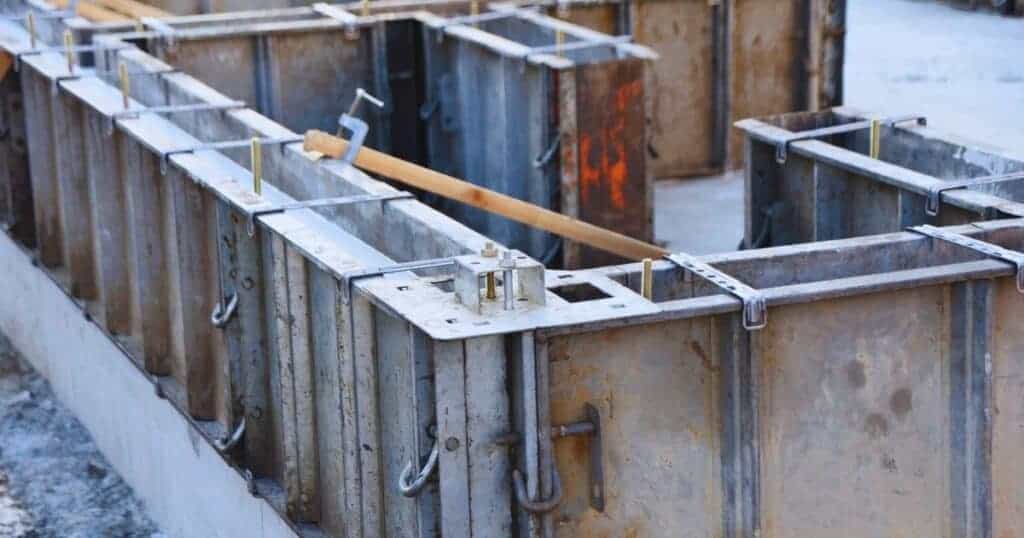
Foundation repair costs range from £1,000 for minor crack repairs to £50,000 for full house underpinning. Real numbers from real builders, not scare tactics.
You don’t have to pay for any repairs if you sell to the right buyer. We calculate the cost, deduct it from our offer, and handle everything ourselves.
No, if you sell to cash buyers who specialise in structural issues. But estate agents will demand you repair everything first because they can’t sell unmortgageable properties.
Estate agents work on commission from mortgage-dependent buyers. No mortgage approval means no commission. They tell you to “fix it first, then we’ll market it.”
Translation: Spend £35,000 you don’t have, wait six months for underpinning to complete, get building control certificates, then maybe we’ll find a buyer. Meanwhile, you’re paying council tax, insurance, and utilities on an empty house.
We buy properties with foundation problems in their current condition. You fix nothing. You collect the money.
No. Mortgage lenders reject properties with cracks wider than 3mm or any evidence of ongoing subsidence or heave. This kills 95% of the buyer market immediately.
Banks worry about future value dropping, inability to resell if you default, and repair costs potentially exceeding the loan amount. Even if the property has been underpinned previously, many lenders still refuse mortgages unless you provide structural engineer reports confirming the work is complete and guaranteed for at least ten years. Those reports cost £500-1,000 and take weeks.
Cash buyers are your only realistic option. Most are liars who’ll exploit your situation.
Yes, but you must determine whether they’re cosmetic hairline cracks (under 1mm) or structural cracks (over 3mm). Mortgage lenders reject properties with structural cracking and most cash buyers will use any crack as an excuse to slash your price.
Hairline cracks under 1mm are usually cosmetic—plaster shrinkage or minor settlement. Estate agents can sell these if buyers’ surveyors deem them non-structural. You might lose 5-10% in negotiations, but deals can complete.
Cracks over 3mm suggest structural movement. Diagonal cracks from door or window corners indicate serious foundation problems. Horizontal cracks in external brickwork near ground level mean foundations have moved. These kill mortgage applications instantly.
Surveyors measure crack width, pattern, and location. They photograph everything and recommend rejection to mortgage lenders. If your cracks are structural, only cash buyers remain—and most will rob you through systematic price reductions.
Yes. Failing to disclose known structural issues is fraud that can result in buyers suing you after completion, deals collapsing during legal searches, and potential criminal prosecution. Honesty isn’t optional. It’s the law.
The TA6 Property Information Form asks specific questions about structural problems, insurance claims, and building work. Lying on this form is fraud. Even if you don’t declare it, legal searches reveal the truth. Surveyors spot foundation damage. Insurance databases show previous claims. Building control records expose historical repairs.
What happens if you try? Buyers discover the truth during surveys or legal checks. They either walk away or sue you after completion for misrepresentation. You could face court costs of £20,000-50,000 plus damages.
We ask you to be completely honest during our initial assessment. We price accordingly with transparency.
Foundation problems in UK properties are caused by clay soil shrinkage during dry periods, tree roots extracting moisture from the ground, poor drainage allowing water accumulation, ground heave from excessive moisture, and inadequate original foundations in older Victorian or Edwardian houses.
Clay soil is the biggest culprit. During hot, dry summers, clay shrinks and pulls away from foundations. During wet winters, it expands and pushes against them. This constant movement creates cracks over time.
Large trees within 10-15 metres of your property are dangerous. Oak, poplar, and willow trees have aggressive root systems that extract thousands of litres of water annually. This causes localised subsidence directly beneath your house.
Poor drainage from blocked gutters, broken drains, or inadequate soakaways allows water to pool around foundations. In clay soil, this causes heave—the ground expands and pushes upward, cracking walls and floors.
Foundation problems are serious if cracks exceed 5mm in width, show progressive widening over 6-12 months, appear as diagonal patterns through brickwork, or affect multiple walls throughout the property. Most cracks under 3mm are cosmetic issues that won’t prevent sales to mortgage buyers.
The Building Research Establishment classifies foundation damage in six categories:
Most residential properties with foundation problems fall into Category 2-3. Fixable but mortgage-unfriendly.
Warning signs include doors and windows sticking in frames, visible external walls leaning or bulging, cracks appearing suddenly, multiple cracks throughout the property, floor levels dipping noticeably, and external ground levels dropping near foundations.
Foundation problems worsen in summer because clay soil shrinks during hot, dry weather and pulls away from foundations, then worsen again in winter when saturated clay expands and pushes against walls. This constant seasonal movement gradually enlarges cracks and causes progressive structural damage.
Summer damage happens when prolonged dry spells desiccate clay, soil shrinks creating voids beneath foundations, houses settle into those voids causing subsidence, and trees extract maximum moisture. Winter damage occurs when heavy rainfall saturates clay soil causing it to expand and push upward, blocked gutters concentrate water near foundations, and poor drainage allows water accumulation.
This seasonal cycle means foundation problems rarely fix themselves. They worsen with each summer-winter transition. We’ve bought dozens of properties where sellers delayed for 2-3 years hoping problems would stop. They never do.
Surveyors spot foundation issues by measuring crack widths, checking for diagonal cracking patterns, looking for external brickwork displacement, examining door and window frames for sticking or gaps, and inspecting floor levels for dipping or unevenness. One survey can kill your estate agent sale in 48 hours.
Cracks wider than 3mm trigger alarm bells. Diagonal cracks running from corners of windows or doors suggest structural movement. Horizontal cracks in brickwork near ground level indicate foundation problems.
Surveyors check whether doors close properly or stick in frames. They look at windows for gaps. They use spirit levels on floors to detect dipping. External inspections reveal the worst problems—bulging walls, displaced brickwork, or visible foundation cracks photographed and included in mortgage rejection reports.
There is no easier way to sell a house today.



Foundation problems are a deal breaker for 95% of buyers but not for legitimate cash buyers who understand structural repairs and can accurately calculate costs. The problem is finding the 5% of honest cash buyers among the 95% of frauds.
Mortgage-dependent buyers can’t proceed. Their lenders won’t approve loans on structurally compromised properties. Cash buyers become your only option.
Companies advertising “we buy houses with structural problems” aren’t all legitimate. Most are middlemen hoping to flip your contract to a real buyer while pocketing the difference.
They give you an inflated initial offer—£190,000 when the property needs £35,000 in foundation repairs. Then the “structural assessment” happens. Suddenly it’s £165,000. Then their “engineer’s report” takes three weeks and the price drops to £150,000. By week six, you’re exhausted and accept £145,000.
That’s their business model. They never had £190,000.
Mortgage-dependent buyers will either walk away completely or demand repair costs plus an additional 20-30% “discount for risk and inconvenience.” They’ll try to rob you twice.
A buyer offers £240,000 on your house worth £300,000 with £30,000 in underpinning needed. Then their surveyor produces a detailed report. Suddenly they’re demanding £30,000 off for underpinning costs, £15,000 off for “uncertainty and future risk,” £8,000 off for “difficulty reselling later,” and £5,000 off for “specialist insurance requirements.”
They’re now at £182,000 on a property worth £270,000 after £30,000 in repairs. You’ve lost £88,000 instead of £30,000 for actual repair costs. That’s theft.
We don’t negotiate after making our offer. We assess the foundation damage, calculate real repair costs from actual builders, factor in our transparent cost structure, and give you one honest offer.
Go to Companies House. Search the buyer’s company name. Check three things: filed accounts showing actual property assets, charges revealing if they’re borrowing money to buy, and registered address confirming they’re not just a virtual mailbox.
Real cash buyers own properties. Their accounts show property investments, cash reserves, and profitable operations. Fraudulent buyers show nothing except director’s loans and debts to finance companies.

If you see multiple charges registered against the company, they’re borrowing money to buy houses. They’re not cash buyers. They’re liars using bridging finance.
Look up Property Saviour on Companies House. You’ll see clean accounts, and zero charges because we use our own money.
Selling to verified cash buyers who complete in 7-28 days depending on your preferred timeline—but only if they actually have the cash and aren’t middlemen hoping to flip your contract.
Our timeline: Day 1, you contact us. Day 2, we visit and calculate real repair costs. Day 3, you receive our offer with complete cost breakdown. Day 4-5, you consult your own solicitors. Day 7-28, completion happens on your chosen date.
Some sellers need seven days because of repossession threats. Others need a month to coordinate moving logistics. We wait because it’s your timeline.
Compare that to estate agents promising eventual sales after “the right buyer appears.” That could be six months. Or never.
Foundation damage typically reduces property value by 20-50% depending on repair costs and severity. But the real question isn’t how much value you lose—it’s whether you get an honest calculation or get robbed by buyers using scare tactics.
If your property is worth £250,000 in perfect condition and needs £35,000 in underpinning, the realistic value is £215,000 minus selling costs.
Dodgy cash buyers will tell you the property is only worth £180,000 because “foundation issues are serious” and they’re “taking a massive risk.” They’re lying. They’re buying at £180,000, spending £35,000 on repairs, and reselling for £245,000. They’re making £30,000 profit by scaring you.
We show you the actual calculation. You see exactly where every percentage goes.
Subsidence typically devalues a house by 20-25% if repairs are needed or 10-15% if previously repaired with proper guarantees. Dodgy cash buyers will tell you it’s worth 50% less because they’re using scare tactics.
Unrepaired active subsidence on a property worth £300,000 means underpinning costs £40,000, realistic devaluation is 23% (£70,000), and fair value is £230,000. Previously repaired with 10-year guarantee means realistic devaluation is 12% (£36,000) and fair value is £264,000. Active subsidence with insurance claim in progress means realistic devaluation is 28% (£84,000) and fair value is £216,000.
These numbers assume proper calculations. We show you actual repair costs from real builders plus our transparent cost structure.
Yes, legitimate cash buyers complete on unmortgageable properties in 7-28 days because they don’t need mortgage approvals or lender valuations. But fake cash buyers using bridging finance take 8-12 weeks and often collapse because their funding falls through.
Unmortgageable means traditional buyers can’t get financing. Banks reject the property due to structural issues, non-standard construction, short leases, or other “defects.”
Real cash buyers have money in their accounts right now. No applications. No underwriters. No valuation surveyors killing deals. We assess the property ourselves, make an offer based on actual repair costs, and complete when you’re ready.
Fake cash buyers pretend they have funds while secretly arranging bridging loans. Bridging finance takes 6-10 weeks to arrange and requires their lender’s valuation survey. If that survey reveals problems, their funding gets rejected.
Ask every buyer for proof of funds immediately. Real buyers show bank statements within 24 hours. Liars make excuses.
Living in a house with foundation problems destroys your mental health more than the actual structural damage. Every crack you notice feels like your world literally falling apart. Every viewing that fails feels like personal rejection. Every estate agent who declines your instruction confirms your worst fear: you’re trapped.
The financial stress is obvious—you’re watching your biggest asset become worthless while still paying mortgage, insurance, and council tax. But the emotional toll is worse.
You lie awake wondering if the cracks are getting bigger. You avoid having friends visit because you’re embarrassed about the visible damage. You panic every time it rains heavily. You Google “foundation problems” at 2am and terrify yourself.
Then estate agents ghost you. Buyers walk out during viewings. Mortgage lenders reject your property sight unseen. You start believing you’ll never escape this nightmare.
You deserve certainty, not more stress.
Here’s exactly how fraudulent cash buyers rob sellers with foundation problems. They follow a script designed to extract your property for 30-40% less than fair value.
Week 1: They promise £200,000 over the phone after seeing photos. You’re relieved. They schedule a “quick assessment” and make you believe completion is days away.
Week 2: Their “structural expert” visits and takes hundreds of photos while sighing dramatically at every crack. The offer drops to £175,000 because “the damage is more extensive than we thought.”
Week 3: They need “specialist engineer reports” that take two weeks. You’re committed—you’ve told family you’re selling, you’ve started planning your move. The price drops to £160,000 because the engineer found “serious subsidence concerns.”
Week 4-5: More delays while they “arrange funding.” The price drops to £150,000. You’re exhausted, scared, and financially desperate.
Week 6-8: Completion keeps getting delayed. “Solicitor issues.” “Survey problems.” Finally, they complete at £145,000 after one last “reduction for unforeseen costs.”
They started at £200,000 and paid £145,000. You lost £55,000 because they systematically broke down your resistance using fear and exhaustion.
We don’t operate this way. The offer we give you on day one is the price you receive at completion. No games. No renegotiation. Fixed price based on honest calculations.
We assess your foundation damage during the initial visit, get actual repair costs from our regular builders, factor those costs into the property’s post-repair value, and present you with a transparent offer showing exactly where every percentage goes.
We visit your property and examine the cracks, measure their width and length, check for ongoing movement, and photograph everything. We don’t sigh dramatically or talk about “serious concerns.” We assess like professionals.
Then we contact builders who do foundation repairs regularly. Real builders who’ll actually do the work at the price quoted. They tell us underpinning your rear wall costs £12,500.
We determine your property’s value after repairs are complete—usually by checking recent sales of similar properties in your area. Let’s say it’s £250,000. We deduct the £12,500 repair cost. The post-repair value is £237,500.
Then we apply our cost structure:
| Cost Element | Percentage | Amount on £237,500 | What It Covers |
|---|---|---|---|
| Legal Costs | 2% | £4,750 | Solicitors, property searches, Land Registry fees |
| Holding Costs | 3% | £7,125 | Council tax, insurance, utilities, cleaning during ownership |
| Stamp Duty | 5% | £11,875 | Government tax we must pay when buying |
| Resale Costs | 5% | £11,875 | Estate agents and solicitors when we eventually sell |
| Profit Margin | 15% | £35,625 | Before tax, covering business risk and operations |
| Your Payment | 70% | £166,250 | Guaranteed cash, your chosen completion date |
You see exactly where the 30% goes. We’re covering genuine costs and taking a reasonable profit for the risk of buying a property with foundation problems.
After completion, we immediately instruct specialist structural engineers to design foundation repairs, hire experienced builders to complete underpinning or stabilisation work, manage building control inspections throughout the process, obtain completion certificates, and eventually resell the property. You’re not involved in any of this because you’ve already received your money and moved on.
Week 1-2, we instruct structural engineers with full structural calculations for building control approval. Week 3-4, building control approves our repair plans, we obtain necessary permits, and builders mobilise equipment. Week 5-12, foundation repairs proceed under building control supervision with inspections at each stage. Week 13-14, final building control inspection and completion certificates are issued. Week 15-20, we arrange cosmetic repairs and redecorating. Week 21+, we market the property as fully repaired with guarantees and building control certificates.
You’re not managing any of this. You’re not chasing builders. You’re not dealing with building control inspectors. You received your money at completion and you’re done.
Sell as-is if you don’t have £30,000-50,000 in available cash, can’t wait 6-12 months for repairs plus marketing time, or can’t handle the stress of managing builders, building control, and estate agents. For most people, selling as-is makes more sense.
The repair-first option: You need £40,000 for full underpinning. The work takes three months minimum. Building control requires inspections throughout. You pay council tax and insurance on an uninhabitable property. After completion, you need building control certificates and structural engineer warranties costing another £1,500 taking weeks. Then you instruct estate agents who take 12-16 weeks to find a buyer if you’re lucky.
Total time: 9-12 months. Total cost: £42,000 plus 9 months of holding costs. Total stress: off the charts.
Or you sell to us today. We handle everything. You walk away with cash in 7-28 days.
| Method of sale | Value achieved | Fees | Timeframe | Is sale guaranteed? |
|---|---|---|---|---|
| Estate agents | 90–95% | 1–5% | 3–6 months | No – one in three sales collapse |
| Auctioneers | 70–80% | 2% plus | 2–3 months | No – half of properties don’t sell |
| Property Saviour | 70–80% | £0 | 10–28 days | Yes – 99% success rate |
Foundation problems that go unfixed progressively worsen through seasonal ground movement, eventually causing doors and windows to jam, floors to become uneven, walls to crack in multiple locations, and insurance companies to cancel your policy—leaving you trapped in a deteriorating, uninsurable, unsellable property losing value monthly.
The progression: Year 1, minor cracks appear, you decorate over them, problem ignored. Year 2, cracks reappear through new paint, doors start sticking, you plane the doors and ignore the underlying cause. Year 3, new cracks appear in different rooms, external brickwork shows stepped cracking, your insurer sends a surveyor. Year 4, insurance cancelled or subsidence explicitly excluded, you’re paying premium rates for worthless cover, estate agents refuse your instruction, you’re trapped. Year 5, walls visibly leaning, floors noticeably uneven, structural engineer confirms £45,000+ in repairs needed, you have no money and no way to sell.
This isn’t scare tactics. This is what happens to thousands of UK homeowners who delay addressing foundation problems hoping they’ll stabilise naturally. They never do.
We’ve bought properties at every stage. But selling earlier gets you more money because repair costs are lower.
Foundation repairs will increase your home value by approximately 15-20% but cost you 12-18% plus 6-12 months of your life managing builders and building control—meaning you gain almost nothing financially while losing a year to stress.
Starting position: House currently worth £200,000 with foundation problems and underpinning needed costing £35,000, giving a current realistic sale price of £140,000. After repairs, the house is worth £230,000, you spent £35,000 on repairs, paid £4,200 in holding costs, estate agent fees 1.5% at £3,450, and solicitor fees £1,200 for total costs of £43,850.
Net gain: Sale after repairs at £230,000 minus £43,850 costs equals £186,150. Sale to us now at £175,000. Actual gain from repairs: £11,150.
You gain £11,000 by spending 6-12 months managing builders and estate agents. That’s £1,000-2,000 per month of your time.
We’ve had sellers do the maths and choose our immediate offer because their time, mental health, and certainty matter more.
We offer two options. Option one: we buy immediately at 70% with completion on your timeline. Option two: we use our expertise to help you sell for more while giving you a cash advance that proves we’re committed.
Our cash purchase option: We buy at 70% of post-repair value, completion in 7-28 days (your choice), you fix nothing, we handle all repairs and builders, guaranteed completion.
Our assisted sale option: We help you sell for 80-85% instead of 70%, we give you a cash advance upfront (usually 10-15%), we arrange foundation repairs using our builders, we handle all viewings and buyer negotiations, we pay all fees including repairs and marketing, and if the sale falls through, we buy it at the agreed price.
The assisted option gives you more money but takes 4-8 weeks longer. The cash purchase gives you speed and certainty. You pick based on your priorities.
Estate agents offer hope, not reality. Auctioneers offer gambling, not certainty. Dodgy cash buyers offer manipulation, not honesty. We offer transparency, fixed pricing, and guaranteed completion.
| Factor | Estate Agents | Property Auctioneers | Dodgy Cash Buyers | Property Saviour |
|---|---|---|---|---|
| Timeline | 12-16 weeks if miracle buyer appears | 8-12 weeks including auction cycle | 8-12 weeks with price drops | 7-28 days, your choice |
| Upfront Costs | EPC £120 | Legal pack £800-1,200, entry fee £400 | £0 | £0 |
| Success Rate | Under 10% for foundation issues | 60% but often below reserve | 70% at reduced prices | 100% guaranteed |
| Price Achieved | 70-80% if buyer found | 60-75% of realistic value | 50-65% after chipping | 70% fixed price |
| Fees | 1.5-3% + VAT | 2.5% + VAT if sold | Hidden in reduced price | Included in offer |
| Who Controls Completion | Buyer’s mortgage timeline | Buyer decides entirely | Buyer delays endlessly | You choose the date |
| Repair Requirements | You pay £30-50k first | You pay before auction | “We’ll handle it” (they don’t) | We handle after completion |
| Own Solicitors | Yes | Yes | Pressured to use theirs | Yes, encouraged |
| Deal Certainty | Under 20% | 60% | 40% due to funding issues | 100% |
We buy properties with subsidence requiring underpinning, heave causing floor and wall displacement, settlement cracks affecting structural integrity, lateral movement showing as bulging walls, historical foundation repairs with inadequate documentation, tree-related foundation damage, drainage issues causing ongoing movement, mining subsidence in former coal mining areas, and Japanese knotweed affecting foundations. All of them.
We’ve bought dozens of houses with clay shrinkage causing subsidence. Properties where ground expansion has pushed walls and floors upward. Oak trees, willows, and poplars causing localised subsidence mean we arrange tree removal, root barrier installation, and underpinning. Mining subsidence means historic deep mining (old coal workings 100+ metres underground causing surface subsidence) or shallow mine workings (Victorian-era mines 10-30 metres deep where properties sink into old mine shafts) requiring specialist piling or grout injection costing £40,000-80,000.
Japanese knotweed causes foundation damage through root systems exploiting tiny cracks and enlarging them progressively. When knotweed combines with foundation problems, you’re facing treatment costs of £5,000-8,000 plus foundation repairs of £20,000-40,000. We calculate both costs accurately using our specialist knotweed contractors and regular builders, combine them transparently, and make one honest offer.
Michael from Coventry had subsidence from clay shrinkage on the front, heave from poor drainage at the rear, cracked lintels over every window, and a poplar tree 8 metres from the house. Four estate agents refused to touch it. Three “fast house buyers” vanished after assessments offering £145,000-£152,000. We offered £158,000 based on £45,000 in repairs. He chose completion in 21 days. Twenty-one days later, money in his account. Our offer was slightly higher than other cash buyers, but the difference was certainty—we completed exactly when promised at exactly the price promised.
Yes, you legally need buildings insurance even with foundation problems, but most insurers cancel policies or refuse renewal when they discover structural issues—leaving you trapped with an uninsurable, unsellable property haemorrhaging council tax while estate agents reject you.
Insurance companies view foundation problems as ongoing risks. They worry about claims if the damage worsens. Many policies have exclusions for “gradual deterioration” or “subsidence from known causes.”
When you report foundation cracks to your insurer: They send a surveyor who confirms the damage. They either exclude foundation-related claims from your policy or cancel it entirely. They report it to industry databases, making it almost impossible to get alternative cover.
You’re now stuck with a house you can’t insure, can’t sell through estate agents, and can’t leave empty (because mortgage lenders require continuous insurance). You’re paying mortgage, council tax, and potentially insurance premiums for coverage that excludes the actual problem.
We buy uninsurable properties regularly because we understand the insurance market and know how to manage the risks properly.
Insurance claims for subsidence trigger lengthy investigations lasting 6-18 months where insurers monitor cracks to prove ongoing movement, often deny claims citing “insufficient evidence,” and even when approved leave you with devalued property covered by expensive specialist insurance nobody else will touch.
Month 1-3, you report cracks to your insurer who sends a surveyor installing crack monitoring strips on your walls, with you told to wait 6-12 months to prove movement is ongoing. Month 4-12, you live in your damaged home watching crack monitors monthly while many insurers deny claims if movement is under 3mm during monitoring. Month 13-18, if approved, insurers arrange underpinning through their chosen builders, work takes 3-6 months, and you’re living in a construction site.
After completion, your property has a subsidence claim history. Future insurance is expensive specialist cover (often £600-1,200 annually versus £200-400 for standard). Mortgage lenders view it suspiciously. Resale value drops 10-15% even with repairs completed.
Many sellers discover claiming on insurance creates more problems than it solves. We buy properties mid-claim regularly. You don’t have to wait 18 months.
Underpinning typically takes 4-8 weeks for a single wall and 8-16 weeks for an entire house—but you don’t have to wait because we buy the property in its current damaged state and handle all the work ourselves after completion.
The process involves excavating beneath existing foundations in sections, installing reinforced concrete, and allowing proper curing time. Building control requires inspections at each stage. Rain delays work. Hard ground slows excavation.
If you tried to underpin before selling, you’d need 2-3 weeks to get builder prices, 1-2 weeks for building control approval, 8-16 weeks for actual work, and 2-3 weeks for final building control certification, totalling 4-6 months minimum. Then you’d start marketing the property through estate agents, adding another 12-16 weeks. Total time from starting repairs to getting your money: 9-12 months.
Or sell to us this week. We complete in 7-28 days. We arrange the underpinning after we own it. You’re not paying council tax and insurance for a year. You’re done.
Ask these seven questions to every company before you commit:
Ask every question. Demand clear answers. Protect yourself.
The offer we give you after assessing your foundation damage is the price you receive at completion—no last-minute reductions, no “worse than expected” excuses, no renegotiation games. Fixed price. Final price.
The only exception is if legal searches reveal issues you deliberately concealed—such as existing court orders about the foundation damage or building work done without proper consent. Even then, we discuss it openly. We don’t ambush you on completion day.
“Chipping” is standard practice among dodgy cash buyers. They give you £185,000 on paper, then systematically reduce it to £155,000 by completion using foundation damage as the excuse at every stage.
Our offer factors in everything we discover during assessment. Cracks in walls? Seen it. Dipping floors? Measured it. Tree roots visible? Noted. We calculate the complete repair cost based on actual builder prices and make our offer accordingly.
That number doesn’t change. If we offer £166,250 on day three, you receive £166,250 at completion. No surprises.
Request a callback today. We’ll visit your property, assess the foundation damage honestly, calculate real repair costs using actual builder pricing, and give you a genuine offer in 24 hours with complete transparency showing exactly where every percentage goes.
You decide if it works. Your house. Your timeline. Your certainty.
No repairs needed from you. No estate agent rejections. No mortgage lender refusals. No auction gambling. No dodgy buyers slashing offers before completion. Just money in your account when you need it—7 days or 28 days, your choice entirely.
Your foundation problems aren’t unsolvable. They’re just a cost we factor in and handle professionally. Stop losing sleep. Stop watching cracks get wider. Stop being trapped.
Request your no-obligation callback now and get your guaranteed cash offer within 48 hours. We buy houses with foundation problems at honest prices based on real costs—not scare tactics.

Whether you’re facing a tricky sale, navigating probate, or simply looking to sell fast without hassle, you’re in the right place. Our blog is packed with practical advice, expert insights, and real-life tips to help homeowners, landlords, and executors across England, Scotland and Wales make informed decisions — whatever the condition of their property.