Sell House Fast Bristol
Bristol holds a title most sellers have never heard of and estate agents rarely mention: it’s England’s Japanese knotweed capital. Analysis by invasive species specialist Environet identif...
Selling a flat quickly in the UK is tricky due to leasehold hassles like short leases, high service charges, and freeholder delays. These factors make flats harder to sell than houses, with leases under 85 years turning away mortgage buyers, and mandatory EWS1 certificates adding to the challenges post-Grenfell. When life pressures demand a fast sale, these hurdles create stress and affect health and happiness.
Selling a flat quickly in the UK requires facing leasehold complications, short lease restrictions, service charge concerns, and freeholder delays that make flat sale substantially more complex than house sale. Traditional estate agents take 15 to 25 weeks from listing to completion for straightforward flats, extending to 30 to 40 weeks when short leases under 85 years eliminate mortgage buyers or when service charges above £3,000 annually deter purchasers.
Recent market data shows that 68% of flats with leases under 80 years take over six months to sell through traditional methods, with 23% eventually withdrawing from market completely after failing to find buyers. The frustration when job relocations, relationship breakdowns, or financial pressures demand quick property exits collides painfully with leasehold obstacles beyond your control. Watching career opportunities disappear whilst flats sit unsold creates stress that affects health and family wellbeing for months.
Flats carry unique complications that houses never face. Leasehold ownership means you own the property for a fixed term whilst freeholders own the building and land. This split ownership creates dependencies on freeholder responsiveness, managing agent efficiency, and building level decisions affecting individual flat marketability.
Mortgage lenders impose stricter lending criteria for flats than houses. Leases under 85 years face automatic refusal from most lenders, eliminating 70% to 80% of your potential buyer pool overnight. High service charges above £3,000 annually trigger affordability calculations that disqualify buyers whose income cannot support both mortgage and ongoing building costs.
Building safety concerns following Grenfell Tower tragedy created EWS1 certificate requirements for flats in buildings over 18 metres or with concerning external features. Missing certificates prevent mortgage lending completely, restricting buyers to cash purchasers who heavily discount offers knowing your limited alternatives.
Flats with leases under 85 years face severe marketing limitations because mortgage lenders refuse financing. This single factor eliminates most potential buyers who need mortgages to purchase. The remaining cash buyer pool consists of investors and developers who negotiate aggressively, knowing you face restricted options.
Leases under 80 years trigger marriage value calculations making extensions dramatically more expensive. Marriage value splits potential gain 50/50 between freeholder and leaseholder, adding £15,000 to £40,000 to extension costs. Buyers subtract these expenses from offers, watching your net proceeds disappear into calculations you cannot control.
Leases under 70 years become effectively unsaleable through traditional estate agents. The combination of mortgage refusal, expensive extension costs, and future resale concerns creates perfect storm of buyer rejection. Properties sit on market for months with zero serious enquiries despite repeated price reductions that compound the problem by worsening the price to remaining lease term ratio.
Marriage value calculations confuse most flat owners who never anticipated this hidden cost. When you purchased the flat with 95 years remaining, extension seemed distant concern. Years pass. The lease drops to 71 years. Suddenly extension costs exceed £26,000 where they would have been £7,500 at 85 years. Buyers refuse to absorb these expenses, demanding you accept substantially reduced offers reflecting the mathematical reality.
Annual service charges above £3,000 severely restrict buyer interest because monthly costs feel unaffordable alongside mortgage payments. Buyers examine total monthly expenditure including mortgage, service charge, ground rent, buildings insurance, and utilities. High service charges push total costs beyond affordability thresholds that mortgage lenders apply.
Service charges exceeding 2% to 3% of purchase price trigger particular buyer resistance. A flat priced at £200,000 with £5,000 annual service charge represents 2.5% ratio that falls marginally acceptable. The same flat at £180,000 creates 2.8% ratio that buyers increasingly reject. Reducing price to attract buyers paradoxically worsens the affordability ratio, creating impossible circular problem.
Service charge arrears require clearance before completion because managing agents withhold leasehold information packs until accounts settle. Outstanding amounts of £600 seem trivial until managing agents refuse to progress your transaction because previous owner left arrears you never knew existed. Buyers discover these issues during conveyancing, demanding you clear amounts or reduce purchase price accordingly.
Disputes about service charge reasonableness create litigation exposure that buyers absolutely refuse to inherit. Ongoing tribunal proceedings about whether £45,000 communal boiler replacement was necessary and properly specified make flats effectively unsaleable. Buyers fear inheriting legal battles and potential backdated charge liabilities that solicitors warn against.
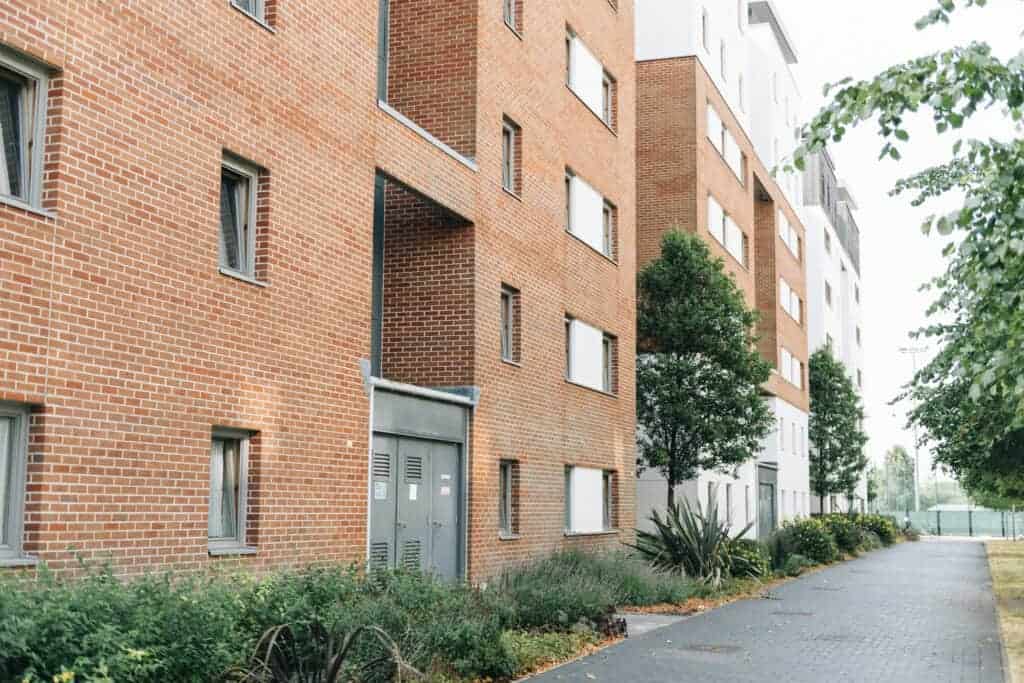
Flats in buildings over 18 metres require EWS1 external wall system certificates confirming fire safety compliance. Buildings between 11 and 18 metres with concerning features like balconies, timber frames, or combustible cladding also need certification. Missing EWS1 certificates prevent mortgage lending, eliminating most potential buyers immediately.
Obtaining EWS1 assessments takes 6 to 12 months when freeholders cooperate and commission qualified assessors. Unresponsive freeholders extend delays indefinitely, with some refusing to commission assessments because failed ratings would trigger expensive remediation obligations. This traps flat owners in properties they cannot sell because freeholders won’t provide documentation buyers need.
Failed EWS1 ratings confirming fire safety concerns make flats effectively unsaleable until remediation completes. Cladding replacement costs reach hundreds of thousands for affected buildings. Government Building Safety Fund applications assist eligible freeholders but processing takes 12 to 18 months with uncertain approval outcomes. Meanwhile flat owners remain trapped in unmarketable properties generating ongoing mortgage and service charge costs without exit options.
Buildings constructed between 2000 and 2020 face particular scrutiny because construction practices during this period now raise concerns. Flat owners who purchased in good faith discover their properties became unmarketable through building regulations nobody anticipated when developments received original approval. The unfairness creates genuine hardship for innocent homeowners facing problems they could never have foreseen.
Leasehold information packs take 2 to 6 weeks for managing agents to compile and release under normal circumstances. These packs include lease details, service charge accounts, buildings insurance certificates, planned works schedules, and ground rent payment records. Buyers cannot instruct solicitors to exchange contracts without complete packs.
Unresponsive managing agents extend delays to 8 to 12 weeks or longer when companies prioritise other work over your transaction. No strict legal deadlines exist for pack provision, creating frustration when agents simply ignore repeated requests. Some agents deliberately delay to pressure sellers into paying their inflated legal pack fees rather than obtaining packs through solicitors at lower cost.
Information pack costs range from £200 to £600 depending on building complexity and managing agent pricing policies. These charges apply regardless of whether your transaction completes. Packs older than 6 months require updating if transactions extend, creating additional expense without achieving anything except documentation refresh.
Missing freeholder contact details when buildings sold or companies dissolved create nightmare scenarios requiring First Tier Tribunal applications to appoint new freeholder representatives. These proceedings take 6 to 12 months, effectively blocking your flat sale until resolved. Properties become trapped in legal limbo through circumstances entirely beyond seller control.
Ground floor flats take substantially longer to sell because only 5% of buyers would choose ground level living according to property research. This severe preference restriction extends marketing time dramatically compared to first floor or higher flats in the same building.
Security concerns dominate buyer reasoning. Ground floor flats are 48% more likely to be burgled than upper floors according to crime statistics. Buyers fear break-ins through accessible windows and patio doors that ground floor locations create. This risk perception proves difficult to overcome regardless of actual security measures like alarms or reinforced glazing.
Privacy issues make buyers uncomfortable with street level windows visible to passing pedestrians. Residents feel unable to open curtains freely or relax in living spaces without strangers peering inside. This constant awareness of external observation creates psychological discomfort that buyers reject when alternatives exist.
Noise from roads, pavements, and building entrances affects ground floor flats more severely than upper levels. Traffic sounds, footstep vibrations, and entrance door slamming create constant disturbance. Buyers compare ground floor noise levels to quieter upper flats, choosing to pay premiums for peaceful environments.
Ground floor flats sell for approximately 10% less than equivalent first floor units in the same building. Estate agents often fail to reflect this reality in pricing guidance, encouraging sellers to list at upper floor equivalents. Months pass without offers. Multiple price reductions follow, eventually achieving lower net proceeds than realistic initial pricing would have delivered.
There is no easier way to sell a house today.



Traditional estate agent methods take 15 to 25 weeks from listing to completion for straightforward leasehold flats with leases above 90 years and moderate service charges. This timeline assumes normal market conditions without buyer chain complications or significant conveyancing discoveries.
Short lease flats under 85 years extend timelines to 30 to 40 weeks because mortgage lender refusals eliminate most buyers. Finding cash purchasers or investors willing to acquire short lease properties takes substantially longer. These buyers negotiate aggressively, demanding discounts that reflect your restricted alternatives.
Flats with complications like missing EWS1 certificates, high service charges above £4,000 annually, defective leases with restrictive clauses, or ground floor location disadvantages can take 12 to 18 months to sell. Some properties prove effectively unsaleable through traditional methods, sitting on market indefinitely with zero serious buyer interest despite repeated price reductions.
The leasehold information pack delay alone adds 2 to 6 weeks to every flat transaction. Unresponsive managing agents or freeholders extend this to 12 weeks or more. Exchange to completion periods for flats average 11 weeks compared to 8 weeks for freehold houses because of additional leasehold conveyancing requirements and potential freeholder consent needs.
We complete flat purchases in three weeks regardless of lease complications, service charge levels, or building safety certification gaps. Flat owners needing urgent exits receive written offers within 48 hours and choose completion dates based on their circumstances rather than waiting months hoping suitable buyers eventually materialise.
Yes, but flats with leases under 85 years face substantial buyer limitations and pricing impacts. Mortgage lenders refuse financing for leases under 85 years using mortgage term calculations that require sufficient lease remaining beyond mortgage expiry. This restriction eliminates 70% to 80% of potential buyers overnight.
The remaining buyer pool consists of cash purchasers and property investors who discount offers by 15% to 30% knowing your limited alternatives. These buyers understand that you face restricted options and negotiate accordingly. Their offers reflect the £15,000 to £35,000 lease extension costs they’ll incur post purchase plus the marketing difficulty they’ll face when eventually reselling.
Leases under 80 years trigger marriage value calculations that dramatically increase extension costs. The potential value gain from extending splits 50/50 between freeholder and leaseholder. This shared gain requirement adds tens of thousands to extension premiums that buyers subtract from their offers.
Leases under 70 years become extremely difficult to sell through traditional estate agents because even cash buyers fear future resale problems. Properties in this category often sit unsold for twelve months or more despite aggressive pricing. Many sellers eventually withdraw from market, trapped in flats they cannot sell through conventional methods.
We buy flats regardless of remaining lease length. Leases at 64 years don’t prevent our purchase. The 51 year lease on a Sheffield flat we purchased last month didn’t block completion. Short leases factor into our investment analysis rather than creating outright refusal. We complete within three weeks, giving short lease flat owners exits that traditional marketing simply cannot deliver.
Selling directly to cash property buyers represents the fastest method of sale, completing in 7 to 30 days versus 15 to 25 weeks through estate agents. Cash buyers accept flats with short leases, high service charges, missing EWS1 certificates, and other complications that traditional buyers reject outright.
Property auctions offer 3 to 4 month timelines from entry to completion with immediate exchange on auction day. However, auctions charge upfront entry fees of £500 to £1,000 plus auction house commission of 2.5% to 3% whether your flat sells or not. Limited buyer pool for flats at auction means reduced competition and disappointing hammer prices below realistic market value.
| Method of Sale | Timeline | Short Lease Acceptance | Service Charge Issues | EWS1 Certificate Required | Completion Certainty | Net Proceeds |
|---|---|---|---|---|---|---|
| Estate Agent | 15 to 25 weeks (straightforward flats) | No (under 85 years) | Buyer deterrent | Yes (or sale blocked) | Low (35%+ fall through) | 96% after 1.5% to 3% fees |
| Estate Agent (short lease) | 30 to 40 weeks | Cash buyers only | Severe buyer deterrent | Yes (or sale blocked) | Very Low (major delays) | 85% to 90% after fees and discounts |
| Property Auction | 12 to 16 weeks | Yes (heavy discount) | Factored into bids | No (but affects price) | Medium (60% sell first attempt) | 88% to 92% after fees |
| Property Saviour | 3 weeks | Yes (any lease length) | We factor into offer | No (we accept as is) | Guaranteed | 70% with no fees deducted |
The table demonstrates how complications affecting flats make traditional methods increasingly uncertain and time consuming. Estate agents taking 15 weeks for straightforward flats extend to 30 to 40 weeks when short leases restrict buyer pool. Our guaranteed three week completion delivers certainty that months of traditional marketing cannot match.
Not legally, but missing EWS1 certificates prevent mortgage lending for flats in buildings requiring certification. This practical reality eliminates 70% to 80% of potential buyers who need mortgage financing. Cash buyers remain possible but heavily discount offers by 15% to 25% for building safety uncertainty.
Buildings over 18 metres require EWS1 certification. Buildings between 11 and 18 metres with balconies, timber frames, or combustible materials also need certification. Lenders often demand EWS1 regardless of height for buildings constructed between 2000 and 2020 because construction practices during this period now raise concerns.
Obtaining EWS1 assessments takes 6 to 12 months when freeholders cooperate and commission qualified assessors. Many freeholders refuse or delay commissioning because failed ratings would trigger expensive remediation obligations they want to avoid. This traps flat owners unable to obtain documentation buyers need despite having no control over freeholder decisions.
Failed EWS1 ratings confirming fire safety concerns make flats effectively unsaleable until remediation completes. Some flat owners have waited three to five years for building works to finish, trapped paying mortgages and service charges on properties they cannot sell or even remortgage.
We buy flats without EWS1 certificates, accepting building safety compliance responsibilities ourselves. Missing certification doesn’t prevent our purchase or delay completion. Fire safety concerns become our problem post completion rather than blocking your urgent exit from properties that traditional buyers reject.
Ground floor flats take longer to sell and achieve lower prices because only 5% of buyers would choose ground level living. This severe buyer preference restriction makes ground floor flats the slowest selling property type in residential market.
Security concerns dominate buyer decision making:
Privacy issues make ground floor living uncomfortable for most people. Street level windows mean passing pedestrians can see directly into living spaces. Residents feel unable to relax in their homes without closing curtains constantly. This loss of privacy feels unacceptable when upper floor alternatives exist at marginal price premiums.
Noise from roads, pavements, and building entrances affects ground floor flats more severely. Traffic sounds, pedestrian footsteps, and entrance door activity create constant disturbance. Buyers comparing ground floor noise to quieter upper flats universally prefer paying premiums for peaceful environments.
Damp concerns affect ground floor flats more frequently because of rising damp from ground contact and reduced air circulation. Musty smells, wall staining, and higher maintenance costs deter buyers. Even properties without current damp face buyer perceptions that problems will eventually emerge.
Ground floor flats sell for approximately 10% less than equivalent first floor units in the same building. Marketing to elderly buyers or those with mobility challenges increases success because ground floor access proves beneficial for these demographics. However, this restricted buyer segment means longer marketing times achieving lower prices.
We buy ground floor flats at realistic investment prices reflecting their marketability challenges. Location within building doesn’t prevent our purchase or reduce our interest. Ground floor characteristics factor into our analysis rather than creating outright rejection like traditional buyers demonstrate.
| Method of sale | Value achieved | Fees | Timeframe | Is sale guaranteed? |
|---|---|---|---|---|
| Estate agents | 90–95% | 1–5% | 3–6 months | No – one in three sales collapse |
| Auctioneers | 70–80% | 2% plus | 2–3 months | No – half of properties don’t sell |
| Property Saviour | 70–80% | £0 | 10–28 days | Yes – 99% success rate |
Jennifer owned a two bedroom flat in Sheffield with 74 years remaining on the lease, purchased in 2011 for £138,000. She’d received a significant promotion requiring relocation to Leeds within seven weeks. Her flat’s market value with longer lease would approximate £205,000 based on recent comparable sale of a similar flat on the third floor with 118 years remaining.
She listed with a city centre estate agent recommended by her line manager. The agent valued the property at £192,000, explaining that the short lease required slight discount but shouldn’t prevent sale to motivated buyers. Jennifer felt relieved that her career advancement and property exit seemed aligned within her tight seven week deadline.
After five weeks, Jennifer had received zero genuine offers. Four potential buyers viewed the flat expressing strong interest in the modern kitchen and convenient location near Kelham Island. Their mortgage advisers immediately rejected applications because major lenders wouldn’t finance properties with leases under 75 years using term calculations. The viewings proved completely worthless despite Jennifer taking multiple afternoons off work and deep cleaning the flat immaculately.
The estate agent suggested reducing the price to £172,000 to attract cash buyers and property investors who weren’t restricted by mortgage lending criteria. Jennifer felt sick watching £20,000 evaporate from her expected proceeds whilst her Leeds start date loomed with terrifying speed. Her new employer had arranged serviced accommodation but expected her arrival within ten days.
A property investor eventually offered £142,000 after viewing briefly and conducting basic inspection. He explained that lease extension costs of approximately £27,000 to £31,000 justified his low offer because marriage value calculations made extensions dramatically more expensive for leases under 80 years. Jennifer would need to accept this commercial reality or continue marketing to buyers who simply didn’t exist.
Jennifer’s solicitor confirmed the investor’s extension cost figures, explaining marriage value rules she’d never encountered despite owning the flat fourteen years. The solicitor also revealed that Jennifer needed to pay £475 for the leasehold information pack and clear outstanding service charge of £340 before exchange could proceed. These unexpected costs reduced her net proceeds further whilst her stress levels reached breaking point.
The investor’s due diligence discovered that the freeholder had become unresponsive following management company acquisition, with managing agent changes creating confusion about building maintenance responsibilities and future planned works. The investor reduced his offer to £136,000, claiming these complications created substantial risk premiums he needed protection against. His revised offer arrived via text message at 9pm on Thursday, giving Jennifer 48 hours to accept before he moved to alternative investments in his pipeline.
Jennifer’s seven week deadline had passed. Her new employer extended grace period two additional weeks but expressed concern that property complications were delaying the regional restructure she’d been hired to implement. Her new team whispered doubts about whether Jennifer was truly committed to the role. The stress affected Jennifer’s sleep patterns, eating habits, and professional confidence.
She felt trapped watching her flat sale destroy the career opportunity she’d worked towards for six years. Her current employer knew about her planned departure, making her position increasingly uncomfortable. Her Leeds flat purchase was collapsing because sellers refused to wait indefinitely for uncertain completion. The domino effect of her Sheffield flat refusing to sell was demolishing carefully constructed plans across multiple areas of her professional and personal life.
Jennifer contacted us on Wednesday morning after her colleague mentioned our flat purchase service during a difficult conversation about her mounting stress. We explained that short leases don’t prevent our purchases because we specialise in leasehold complications that traditional buyers reject automatically.
We offered £143,500 representing 70% of the realistic £205,000 market valuation her flat would achieve with extended lease. This figure reflected the £26,000 to £30,000 lease extension cost, the reduced marketability from 74 year remaining term, the freeholder management complications her solicitor had uncovered, and our investment holding costs whilst resolving these persistent issues.
Jennifer would receive the full £143,500 with no deductions for leasehold information packs that we’d obtain ourselves, no requirements to clear service charge reducing her proceeds, and absolutely no last minute offer reductions from manufactured problems discovered during our due diligence process. The price we stated in writing was the amount she’d receive at completion without exception.
Completion would occur within three weeks on Jennifer’s chosen date, allowing her to finalise Leeds relocation before permanently damaging her career opportunity and professional reputation. No estate agent fees of £2,880 to £5,760 applied because we purchase directly. No months of marketing hoping cash buyers eventually appeared. No investor due diligence discoveries justifying offer reductions. Just guaranteed completion delivering proceeds when Jennifer desperately needed them.
Jennifer initially hesitated seeing the £143,500 figure compared to her initial £192,000 listing price expectation. The difference felt emotionally significant despite the mathematical realities we’d carefully explained. We walked her through realistic net analysis comparing all available methods considering timelines, costs, and completion probabilities.
The property investor’s final £136,000 offer minus estate agent fees of approximately £4,080 at 3% would net £131,920. Jennifer’s ongoing mortgage payments of £765 monthly had already cost £3,825 for five weeks of marketing achieving nothing. If she’d continued another month pursuing the investor’s reduced offer, total mortgage costs would reach £7,650 before completion, effectively reducing net proceeds to £128,430 assuming the investor didn’t reduce his offer further during extended conveyancing.
Our £143,500 offer delivered £15,070 more than continuing traditional methods would have achieved. More importantly, Jennifer’s career opportunity was preserved. Her new employer confirmed her start date for twenty two days hence. Her Leeds flat purchase could proceed confidently using our guaranteed completion date. The promotion she’d worked towards for six years became reality rather than opportunity lost to property sale complications nobody had properly warned her about.
The flat completed nineteen days later exactly as we’d promised. Jennifer paid no estate agent fees. No leasehold information pack costs applied. No service charge clearance reduced her proceeds. No investor due diligence reduced the agreed price. The £143,500 appeared in her solicitor’s account on completion morning, immediately transferring to fund her Leeds purchase that afternoon.
Jennifer called us four months later from her new corner office, genuinely emotional with gratitude and relief. She’d successfully restructured her regional operations, earning written commendation from the chief executive. Her team genuinely respected her leadership approach. The performance bonus from her first quarter exceeded all expectations. Her Leeds flat in a converted mill with 999 year lease felt like sanctuary compared to her Sheffield short lease nightmare.
Most importantly, Jennifer’s health had recovered completely. Her sleep normalised within weeks. Her appetite returned to healthy patterns. The constant anxiety knots that had plagued her stomach during the Sheffield sale nightmare disappeared entirely within days of completion. Accepting our offer versus chasing unrealistic estate agent valuations had proved correct in every measurable way that mattered for her career trajectory, financial position, physical health, and overall life satisfaction.
Estate agents struggle with flat sale because their expertise centres on marketing family houses to owner occupiers seeking lifestyle and location. Leasehold complications require specialist knowledge that most high street agents lack completely. They take 15 to 25 weeks for straightforward flat sale, extending to 30 to 40 weeks when short leases eliminate mortgage buyers.
Commission fees reach 1.5% to 3% plus VAT, costing £3,000 to £6,000 on typical flat sale. These fees apply even when agents deliver minimal value by simply uploading property to Rightmove whilst hoping suitable buyers eventually materialise through their passive marketing approach.
Buyer withdrawal rates exceed 35% for flats with complications after weeks of conveyancing discovering lease issues, service charge concerns, or building safety problems. Estate agents cannot prevent these withdrawals because they lack the specialist leasehold expertise to identify problems before agreeing sale and raising seller expectations.
Property auctions charge upfront entry fees between £500 and £1,000 plus auction house commission of 2.5% to 3% whether your flat sells or not. Auction timelines reach 3 to 4 months from property entry to completion date. Limited buyer pool for flats at auction means reduced competition and disappointing hammer prices.
Advertised auction success rates above 80% deserve careful examination because these figures disguise important realities. Auction houses count properties sold before auction day through early offers that never actually went under the hammer. They include properties sold after the event to bidders who made contact during auction but negotiated separately afterwards. The genuine first attempt success rate for flats runs below 60% despite promotional claims.
We specialise in purchasing flats with leasehold complications that traditional buyers reject automatically. Short leases, high service charges, missing EWS1 certificates, ground floor location, and defective lease terms don’t prevent our purchases. These complications factor into our investment analysis rather than creating outright refusal.
Our three week completion timeline delivers certainty that traditional methods cannot match. You choose completion date based on your circumstances rather than waiting months hoping suitable buyers eventually materialise. This timeline control proves essential when coordinating job relocations, relationship changes, or financial arrangements requiring definite property exit dates.
Before accepting any offer from companies claiming to buy flats quickly, invest ten minutes protecting yourself through Companies House due diligence. This simple verification reveals whether you’re dealing with legitimate property investment buyers or operators who cannot deliver on promises made during initial contact.
Visit the Companies House website and search for the company name exactly as shown on their website, email correspondence, or business cards. The free company overview displays incorporation date, registered office address, company status, accounts filing history, and current directors. Look carefully at several warning signs revealing problematic operators.
Companies incorporated within the last 18 months lack sufficient trading history to demonstrate reliability. Quick flat buying requires substantial capital resources that newly formed companies rarely possess. Check the incorporation date prominently displayed on the overview page. Any company claiming to buy properties for cash but incorporated less than two years ago deserves intense scrutiny about their funding sources and completion capability.

Click through to the “charges” section showing every secured loan, debenture, or financial arrangement registered against the company. Multiple charges indicate the company borrows heavily to fund purchases rather than having cash reserves available. Genuine cash buyers should show zero charges or minimal financing arrangements because they fund purchases from investment capital rather than borrowed money creating completion uncertainty.
Search each director’s name individually to examine their other current and dissolved directorships. Patterns of dissolved companies raise serious concerns about operating legitimacy and potential phoenix company tactics where operators repeatedly fold businesses leaving creditors unpaid before starting new entities under different names.
We maintain completely transparent Companies House records showing years of successful operation with clean trading history. Our registered office is our genuine business premises at a real address, not a virtual mail forwarding service costing £50 monthly. Zero charges appear against our company because we fund flat purchases from our investment capital, not borrowed money arranged after making offers. You can verify everything about our financial position before accepting our offer, giving you complete confidence that completion will happen exactly as agreed.
We buy flats at approximately 70% of realistic market value assuming the property had no complications affecting traditional buyer appeal. This model deserves completely honest explanation because transparency matters when you’re making decisions affecting substantial assets and potentially urgent life circumstances.
The 70% figure accounts for several legitimate business costs we absorb on your behalf as direct investment buyer. Lease extension costs for short lease flats range from £8,000 to £35,000 depending on remaining term and property value. We fund these extensions ourselves post purchase, accepting the freeholder negotiation time and expense that you cannot afford whilst needing urgent exit.
Service charge complications including outstanding arrears, disputes about reasonableness, or planned major works create risks and management time we accept completely. Traditional buyers refuse these inherited problems entirely. We factor them into our offer price then resolve them ourselves rather than blocking your sale until issues clear through lengthy processes.
Building safety certification gaps including missing EWS1 certificates, failed fire risk assessments, or remediation requirements become our responsibility post completion. The tens of thousands in potential costs and years of resolution time transfer from you to us at completion, delivering your immediate exit from complications that traditional methods make unsaleable.
Purchase and immediate holding costs include our conveyancing fees, building surveys we commission, insurance from completion, service charges we pay immediately, and ongoing management whilst resolving any complications. Flat holding time whilst addressing issues ties up substantial capital we could deploy elsewhere, with holding costs accumulating throughout our ownership period.
You pay no sale fee saving the 1.5% to 3% plus VAT that estate agents charge. On a £180,000 flat, agent fees reach £2,700 to £5,400 plus VAT, totalling £3,240 to £6,480. Our purchase saves you these substantial costs entirely whilst delivering completion in three weeks versus 15 to 25 weeks minimum through agents.
When you sell through estate agents at supposed full market value for flats without complications, you actually receive roughly 96% after their fees. No completion guarantee exists for flats with short leases, high service charges, or building safety concerns. Freeholder delays add 2 to 6 weeks minimum. Buyer due diligence discoveries cause withdrawal or demand price reductions. Months disappear whilst you pay ongoing mortgage and service charge costs without certainty about whether sale will ever complete.
Our 70% offer provides immediate certainty that your flat transaction will complete on your chosen date. For Jennifer, receiving £143,500 in three weeks proved commercially superior to £136,000 investor offer requiring months of uncertain negotiations, or estate agent marketing delivering nothing after further months of stress and expense. The present value calculation considering time, certainty, saved fees, and achieved life goals made our offer the financially superior choice despite appearing lower initially.
If you own a flat and need to exit quickly, you’re facing property sale complications that differ fundamentally from house sale. Leasehold restrictions, short lease mortgage refusals, service charge concerns, and building safety certification requirements combine to create 15 to 40 weeks of uncertainty through traditional methods.
Request a call back from Property Saviour today. We’ll discuss your flat, your timeline requirements, and provide completely honest assessment of whether traditional sale or our direct purchase better serves your circumstances. You’ll receive a genuine written offer within 48 hours showing exactly what proceeds you’ll receive based on realistic investment valuation considering your specific lease complications.
No hidden deductions appear later. No survey renegotiations reduce the agreed price. No manufactured discoveries of problems justify last minute offer cuts. The figure we state in writing is the amount you receive at completion. Your chosen completion date becomes contractually guaranteed, giving you certainty to plan job relocations, relationship changes, or financial arrangements confidently.
Your own solicitor reviews everything independently, providing professional protection throughout. Our minimum £1,500 legal fee contribution means you receive expert guidance without it reducing your proceeds. Companies House verification confirms our legitimate operation, substantial assets, and years of successful trading history showing we can and will complete exactly as promised.
The flat owners we’ve helped succeeded because they chose guaranteed certainty over chasing theoretical maximum prices through methods delivering months of stress and uncertain outcomes. Jennifer saved her career opportunity, her health, and her financial future by accepting our offer rather than continuing through estate agent marketing or property investor negotiations delivering nothing except mounting problems.
Your flat ownership shouldn’t trap you when job opportunities, relationship circumstances, or financial situations demand property exit. Short lease complications shouldn’t make properties unsaleable. High service charges shouldn’t eliminate all buyer interest. Missing EWS1 certificates shouldn’t block completion for years whilst you pay ongoing costs without exit options.
Stop researching traditional flat sale methods that create more complications than solutions. Request your call back now and discover how our direct purchase delivers genuine exit within three weeks, not the months or years that traditional methods create. We’ll explain the mathematics clearly showing how present value, certainty premium, saved fees, and eliminated stress often make our 70% offer commercially superior to higher theoretical prices that may never materialise.
The families and professionals we’ve helped universally express relief that they chose certainty over continuing uncertainty. None regret accepting our offers when they see how their lives improved through quick definite exits versus months or years trapped in complicated transactions creating nothing except stress and missed opportunities.
Your flat should serve your life goals, not imprison you in ownership when circumstances change. Whether you’re relocating for career advancement, dealing with relationship changes, facing financial pressures, or simply wanting to redeploy capital differently, you deserve a genuine buyer who completes quickly without leasehold complications blocking your urgent needs.
Contact Property Saviour today for your guaranteed flat purchase and transform your leasehold complications into clean cash proceeds within three weeks, not the months of uncertainty that traditional methods create.

Whether you’re facing a tricky sale, navigating probate, or simply looking to sell fast without hassle, you’re in the right place. Our blog is packed with practical advice, expert insights, and real-life tips to help homeowners, landlords, and executors across England, Scotland and Wales make informed decisions — whatever the condition of their property.