Selling a house in as is condition means offering your property for purchase in its current state, without making any repairs, improvements, or renovations beforehand. This approach has become increasingly popular among homeowners who need to move quickly or cannot invest time and money into refurbishment projects.
According to the UK House Price Index, nearly a third of all property transactions involve cash home buyers, many of whom specifically seek properties sold in their current condition. The property auction market alone handles approximately 18,000 to 20,000 residential properties annually, with many being sold exactly as they stand.
These figures reflect a growing acceptance of as-is property transactions across the British housing market.
What Does Selling As Is Actually Mean?
When you sell your house as is, you’re offering it to buyers with full transparency about its current condition. This means potential purchasers understand they’re buying the property complete with any existing issues, whether cosmetic problems like outdated décor, structural concerns such as subsidence, or maintenance requirements like roof repairs.
Unlike conventional property transactions where sellers often invest thousands in improvements, the as-is approach transfers responsibility for any necessary work to the buyer. This doesn’t mean neglecting basic presentation – clearing clutter and ensuring reasonable cleanliness still matters – but it eliminates the pressure to undertake expensive renovations.
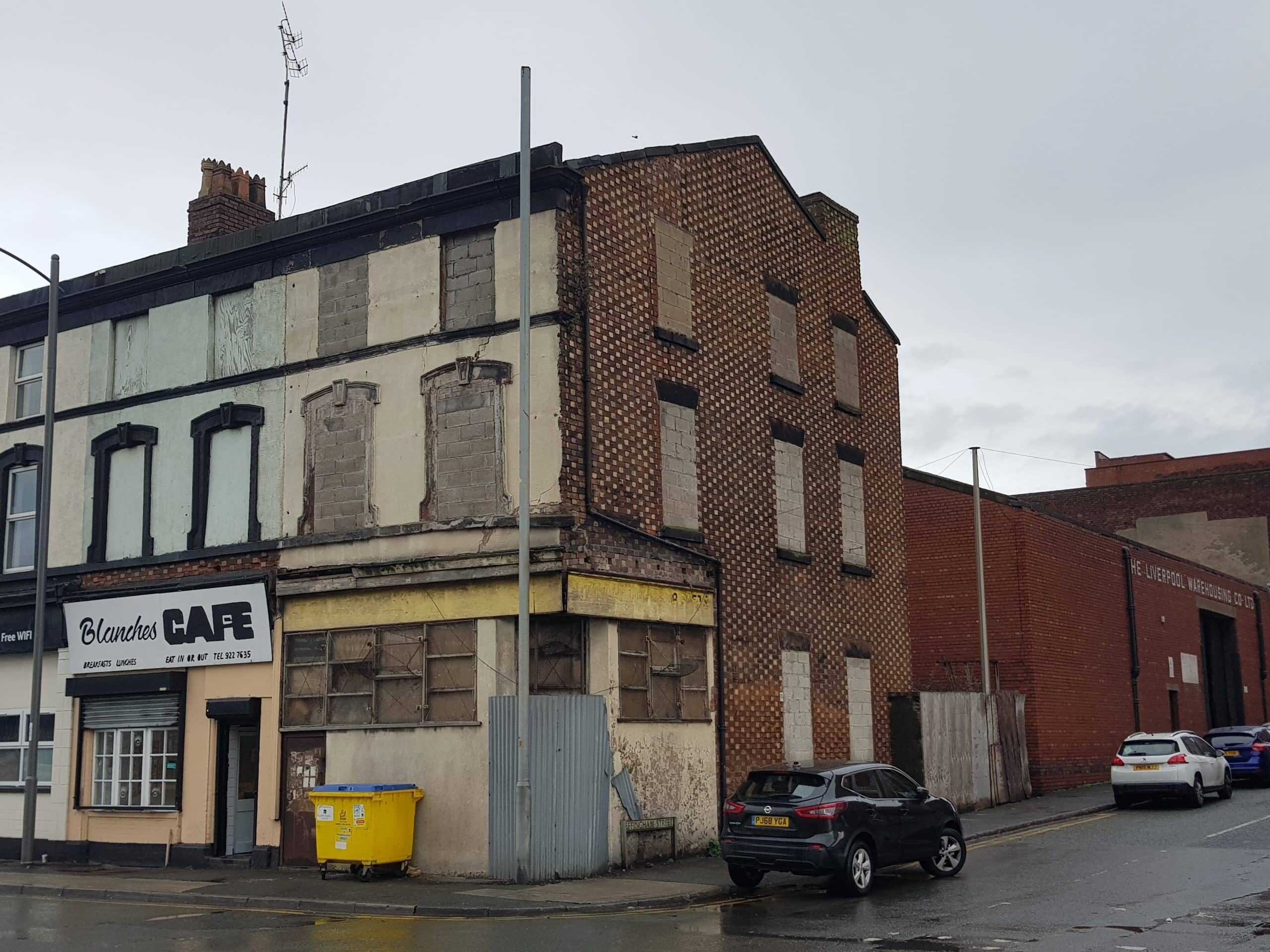
We often buy unfinished development projects where the developer has run out of funds and energy.
Your Legal Obligations When Selling As Is
Under the Consumer Protection from Unfair Trading Regulations 2008, you must disclose any known defects or issues with your property. Attempting to hide problems could lead to serious legal consequences after completion.
You’ll need to complete the Law Society Property Information Form (TA6), which requires honest disclosure of any physical defects, legal issues, or other material information about the property. Your solicitor will specify that the property is being sold as is, clarifying that no repairs will be undertaken and outlining what constitutes acceptance of the home’s current condition.
Your EPC Obligations When Selling As Is
You must obtain a valid Energy Performance Certificate before marketing your property, regardless of its condition. This legal requirement applies to all property sales in England and Wales, including those sold as is.
The EPC assesses your property’s energy efficiency on a scale from A (most efficient) to G (least efficient). Whilst there’s no minimum rating required to sell – unlike rental properties which must achieve at least an E rating – buyers will receive this information during their property search.
An accredited Domestic Energy Assessor conducts the EPC assessment, typically costing between £60 and £120 depending on your property size and location. The certificate remains valid for ten years, so check whether a previous owner’s EPC is still current before commissioning a new one.
Many sellers worry that poor EPC ratings will deter buyers when selling as is. However, investors and developers purchasing renovation projects expect lower ratings and factor improvement costs into their offers. Transparency about energy efficiency builds trust rather than creating obstacles.
Failing to provide a valid EPC before marketing can result in civil penalties of up to £500 from your local authority. Your solicitor will require the EPC reference number when preparing sale contracts, making this an essential early task.
How Much Value Might You Lose Selling As Is?
The financial impact of selling as is varies considerably based on condition of property:
Property Condition
Typical Value Retention
Buyer Interest Level
Time to Sell
Minor cosmetic issues
85-95% of market value
High – appeals to many buyers
4-8 weeks
Moderate repair needs
75-85% of market value
Moderate – mainly investors
6-12 weeks
Major structural problems
60-75% of market value
Low – specialist buyers only
8-16 weeks
Severe damage/dereliction
40-60% of market value
Very low – developers only
12+ weeks or auction
The table above illustrates how property condition directly influences both the price you’ll achieve and the speed of your transaction. Properties requiring only minor updates retain significantly more value than those needing substantial structural work.
Location remains paramount in determining your final price. Homes in desirable areas with good schools, transport links, or scenic settings can command higher offers even when sold as is. Conversely, properties in less sought-after locations often experience steeper price reductions.
Understanding the Tax Implications
Selling your property as is doesn’t exempt you from tax obligations, and understanding these requirements prevents costly surprises after completion.
If you’re selling your main residence where you’ve lived throughout your ownership, you’ll typically qualify for Private Residence Relief, meaning no Capital Gains Tax liability. However, second homes, buy-to-let properties, inherited properties, and homes where you’ve lived only part of the time may trigger CGT obligations.
Capital Gains Tax applies to your profit, calculated as: Sale price – (Original purchase price + Purchase costs + Capital improvements + Selling costs). For the 2025/26 tax year, you can offset the first £3,000 of gains against your annual exempt amount.
You must report and pay any Capital Gains Tax due within 60 days of completion. This strict deadline catches many sellers unaware, particularly those selling inherited properties or second homes. Missing this deadline results in penalties and interest charges from HMRC.
Even when selling as is, certain improvement costs can reduce your tax liability. Structural work like extensions, conversions, or installations that added lasting value to the property count as allowable expenses. However, routine repairs and maintenance don’t qualify, regardless of how much you spent.
Consult a qualified accountant or tax adviser well before accepting offers, especially if your property doesn’t qualify for full Private Residence Relief. Proper tax planning ensures you retain maximum proceeds from your sale.
Who Buys Houses In Their Current Condition?
There are several types of buyers actively seek properties being sold as is:
Property developers looking for renovation projects
Buy-to-let investors seeking value opportunities
House flippers planning to modernise and resell
First-time buyers with renovation skills but limited budgets
Understanding mortgage lending restrictions explains why cash buyers dominate the as-is market and influences your realistic price expectations.
Standard mortgage lenders refuse to finance properties they classify as uninhabitable. Most define uninhabitable as lacking a functioning internal kitchen or bathroom, though individual lenders apply varying criteria. Properties with serious structural issues, significant dampness, missing roofs, or dangerous electrical systems typically fail mortgage valuations.
When a property doesn’t meet lending criteria, buyers face three options: obtain specialist development finance at higher interest rates (typically 1.5-3% above standard mortgages), pay cash, or walk away from the purchase. This drastically reduces your potential buyer pool and directly impacts achievable prices.
Development finance and bridging loans serve investors purchasing uninhabitable properties, but these products carry higher costs and shorter terms than residential mortgages. Lenders typically require detailed renovation plans and experienced borrowers, excluding most first-time buyers regardless of their available deposit.
Properties in poor condition but still technically habitable may secure standard mortgages, though lenders often reduce loan-to-value ratios or require retention clauses. These clauses withhold portions of the mortgage advance until specific repairs are completed, creating additional barriers for buyers with limited cash reserves.
This financing landscape explains why cash buyers can negotiate substantial discounts. They’re providing the only realistic purchasing route for many as-is properties, particularly those with serious defects. Recognising these market realities helps set appropriate price expectations from the outset.
Different Methods for Selling Your House As Is
Working with an estate agent provides maximum market exposure through property portals and local networks. However, properties sold as is through agents often take longer to sell and may attract lower offers, as many buyers browsing these platforms expect move-in-ready homes.
Property auctions excel at selling homes in any condition quickly and transparently. The competitive bidding environment can drive prices higher than expected, particularly for unique or well-located properties. However, since the introduction of Section 24 landlord tax and the COVID-19 pandemic, the activity in auctions seems to be much lower. This is because auctioneers no longer hold in-person auctions, as many opt for online auctions, thus creating more hurdles for investors to jump through, such as online registrations.
Companies operating on a we buy any house basis offer speed and certainty. By purchasing properties in any condition, often completing within 7-28 days. While offers typically range from 70-75% of market value, this route eliminates viewing disruption, lengthy chains, and completion uncertainty.
As ever, check that your buyer is not borrowing funds to purchase your home. Many “cash buyers” don’t have the cash. You can find out this easily by looking at Companies House on the Charges register. If they are misleading you, then it could lead to delays, last-minute offer reduction, or the buyer simply pulling out of the transaction, leaving you with a huge solicitor’s bill to settle. Property Saviour purchase properties with our own funds giving you certainty and speed that you need.
Can I Sell My House As Is Without Any Preparation?
While major repairs aren’t necessary, basic preparation improves your chances of achieving a better price. This includes:
Properties with significant structural issues like subsidence, roof damage, or electrical problems can still be sold as is. However, you’ll need to:
Obtain relevant surveys or reports if available
Disclose all known problems upfront
Price the property to reflect necessary repair costs
Target buyers specifically interested in renovation projects
Many property investment companies specialise in purchasing homes with structural challenges, viewing them as opportunities rather than problems.
How Quickly Can I Complete an As Is Sale?
Completion timescales depend on your chosen selling method:
Cash buyers: 7-28 days from accepted offer
Auction route: 20 business days from successful bidding
Estate agent sales: 8-16 weeks depending on buyer circumstances
Quick sale companies: Often within 2-4 weeks
Should I Get a Survey Before Selling As Is?
While not legally required, having a recent survey provides several advantages. It demonstrates transparency to potential buyers, helps price your property appropriately, and protects against future legal challenges about undisclosed defects.
A fire damaged home that we bought as is, including all fixtures and fittings as seen in the photo above.
The Conveyancing Process for As Is Sales
Understanding the conveyancing journey helps manage expectations and identifies potential delay points specific to as-is transactions.
Once you accept an offer, your solicitor prepares the contract pack using information from your Property Information Forms and title documents. For as-is sales, your solicitor includes specific clauses stating the property is sold in its current condition with no repairs undertaken, clearly defining what the buyer accepts.
The buyer’s solicitor conducts standard searches – local authority, drainage, environmental, and chancel checks – regardless of property condition. As-is sales don’t bypass these requirements, though buyers purchasing renovation projects typically raise fewer enquiries about property condition since they’ve acknowledged its state.
Your buyer will likely commission a survey unless purchasing with cash specifically for development purposes. Survey results on as-is properties often reveal multiple defects, but unlike conventional sales, these discoveries shouldn’t trigger renegotiation requests if your disclosure was complete and honest. The as-is clause protects against post-survey price reduction demands for issues you’ve already declared.
Contract exchange occurs when both parties’ solicitors exchange signed contracts and the buyer pays their deposit (typically 10% of purchase price). From exchange onwards, both parties are legally committed to completion. This provides certainty that cash buyers offering quick completions find easier to achieve than chain-dependent purchasers.
Completion typically occurs 7-28 days after exchange, though as-is sales to cash buyers often achieve shorter timescales. On completion day, the buyer’s solicitor transfers remaining funds, you hand over keys, and ownership transfers. Your solicitor pays off any outstanding mortgage and transfers your net proceeds, usually within 2-3 working days.
For as-is sales, ensure your solicitor’s experience includes similar transactions. Inexperienced conveyancers sometimes raise unnecessary concerns about property condition or insert unhelpful contract terms that complicate straightforward as-is sales.
Ready To Sell Without The Hassle?
How do we compare with other methods of sale? If you are flexible on the price, and need speed and certainty of sale, we are the ones to trust.
Method of sale
Value achieved
Fees
Timeframe
Is sale guaranteed?
Estate agents
90–95%
1–5%
3–6 months
No – one in three sales collapse
Auctioneers
70–80%
2% plus
2–3 months
No – half of properties don’t sell
Property Saviour
70–80%
£0
10–28 days
Yes – 99% success rate
Get a formal cash offer within 48 hours — no surveys, no delays, no fees.
When Selling As Is Makes Perfect Sense
Certain circumstances make selling in current condition the most practical choice:
Financial Constraints: When renovation costs exceed your available resources, selling as is prevents further financial strain.
Time Pressures: Job relocations, divorce proceedings, or other life changes often require quick property disposals.
Property Inheritance: Managing inherited properties, especially when living far away, can prove challenging without local support.
Market Conditions: During uncertain economic periods, securing a definite sale price provides valuable peace of mind.
Personal Circumstances: Health issues, family emergencies, or other priorities may take precedence over property improvements.
We recognise these situations create genuine stress and uncertainty. Nobody should feel pressured into expensive renovations they cannot afford or manage, particularly during already difficult time.
Maximising Your As Is Sale Value
Even when selling in current condition, small efforts can significantly impact your final price:
Professional Photography: Quality images highlighting your property’s potential attract more interested buyers, even for renovation projects.
Honest Marketing: Transparent descriptions build trust and attract genuinely interested purchasers rather than time-wasters.
Flexible Viewing Arrangements: Accommodating buyer schedules, including weekend and evening appointments, increases serious enquiries.
Competitive Pricing: Research similar properties and price yours to reflect its condition while remaining attractive to your target buyer group.
Quick Response Times: Prompt communication with enquiries demonstrates your commitment to completing the transaction efficiently.
Common Mistakes That Cost Sellers Thousands
Avoiding these frequent errors protects your final proceeds and prevents transaction delays or collapse.
Overpricing Based on Emotion Rather Than Condition: Attaching sentimental value to your property clouds pricing judgement. Overpriced as-is properties attract minimal interest and ultimately sell for less after extended market time damages their appeal. Research comparable sales of properties in similar condition, not pristine homes in your neighbourhood.
Hiding Known Defects: Attempting to conceal problems always backfires. Buyers conduct surveys that reveal issues, leading to renegotiations, reduced offers, or collapsed transactions. Worse, deliberate concealment breaches your legal obligations under the Consumer Protection from Unfair Trading Regulations, exposing you to potential legal action after completion.
Choosing Inappropriate Selling Methods: Marketing a property requiring £40,000 in structural repairs through high-street estate agents wastes time and money. These agents primarily serve move-in-ready buyers who’ll reject renovation projects. Match your selling route to your property’s condition – severely compromised homes need specialist cash buyers or auction routes.
Inadequate Property Information Forms: Rushing through TA6 forms or providing vague answers creates problems during conveyancing. Solicitors raise additional enquiries, extending timescales and sometimes uncovering issues that derail transactions. Complete these forms thoroughly and honestly, seeking clarification rather than guessing.
Inflexibility on Viewings: Restricting viewings to limited weekday hours dramatically reduces serious enquiries. As-is properties already face a smaller buyer pool – unnecessarily limiting access further shrinks your market. Accommodate weekend and evening appointments whenever possible.
Accepting Unreliable Buyers Without Proof of Funds: Many “cash buyers” lack immediate funds or rely on unconfirmed financing arrangements. Always request proof of funds before accepting offers and verify the buyer’s completion timeline aligns with your needs. Check Companies House for any charges registered against buyer companies, revealing hidden borrowing that contradicts cash purchase claims.
The Financial Reality of Different Selling Routes
Understanding the true costs of each selling method helps inform your decision:
Estate Agent Sales: Commission fees (1-3% plus VAT), potential renovation costs (£5,000-£50,000+), ongoing mortgage and insurance payments during marketing period, and completion uncertainty.
Property Auctions: Auctioneer fees (typically 2.5% plus VAT), marketing costs, legal fees, but guaranteed completion within 20 business days if reserve price is met.
Direct Cash Buyers: No commission fees, no renovation costs, minimal legal fees, but offers typically 25-30% below market value.
Property Saviour’s Guaranteed Price Promise: Fixed offer commitment, no hidden fees, completion within your preferred timescale.
Why Property Forums Recommend Transparency?
Popular property discussion platforms like Money Saving Expert and Reddit consistently advise sellers to maintain complete honesty about their property’s condition. Community members regularly share experiences where concealing problems led to delayed completions, price renegotiations, or even collapsed transactions.
Forum contributors emphasise that buyers purchasing renovation projects expect transparency and often prefer detailed problem disclosure to nasty surprises during surveys. This approach builds trust and attracts serious buyers who’ve budgeted appropriately for necessary work.
Many forum discussions highlight how attempting to disguise issues through cosmetic improvements often backfires, as experienced investors and developers quickly identify underlying problems during viewings.
Why Property Saviour Represents The Gold Standard?
While most companies offer binary choices – either lengthy estate agent processes or heavily discounted cash purchases – Property Saviour provides a genuine alternative that puts your needs first.
Our Guaranteed Price Promise: Unlike estate agents who provide estimates or cash buyers who reduce offers after surveys, we guarantee our initial offer. No last-minute price drops, no renegotiation tactics, no completion day surprises.
Flexible Completion Dates: Whether you need to complete in seven days or prefer a longer timescale, we accommodate your requirements without penalty.
Transparent Communication: No high-pressure tactics, no hidden fees, no small print surprises. We explain every step clearly and honour our commitments completely.
The Assisted Sale Advantage: For sellers with time flexibility, our Assisted Sale service provides the best of both worlds. You receive a cash advance to ease immediate financial pressure, while we market your property over 2-3 months to achieve closer to market value. This innovative approach has helped hundreds of homeowners maximise their returns without the stress of self-management.
Real Success Stories: Recently, we helped a Birmingham family achieve £15,000 more than their best estate agent valuation through our Assisted Sale programme, while a London property owner completed their urgent relocation in just 12 days through our guaranteed purchase service.
Unlike auctioneers who charge fees regardless of your final price, or unreliable cash buyers who frequently reduce offers after agreements, Property Saviour’s commitment remains constant from initial contact through to completion. Our track record speaks for itself – zero price reductions, 99% completion rate, and average customer satisfaction scores of 4.9/5 on Google Reviews.
Contact Property Saviour today for your guaranteed offer and discover how our proven approach can solve your property challenges with complete certainty and speed.
Last updated: 9 February 2026
Meet the author
saddat
Saddat bought his first property in 2003. Got hooked instantly.
By 2009, he'd seen enough shady property buyers lying to desperate homeowners.
So he founded Property Saviour with one mission: tell sellers the truth.
Whether you’re facing a tricky sale, navigating probate, or simply looking to sell fast without hassle, you’re in the right place. Our blog is packed with practical advice, expert insights, and real-life tips to help homeowners, landlords, and executors across England, Scotland and Wales make informed decisions — whatever the condition of their property.
Can You Sell a Property With a Regulated Lifetime Tenancy?
Yes. You can sell a property with a regulated lifetime tenancy. But not to normal buyers.That tenant isn’t leaving. Ever. Until they die. Normal buyers can’t get mortgages on these propert...
Selling a commercial property isn’t like selling a house. You already know this.Your retail unit has been listed for 8 months. The office building needs £80,000 in repairs you can’t ...
Right. You’re on PropertySaviour.co.uk.Welcome. Glad you’re here.Now, before we get into the fun stuff—like actually helping you sell your house—we need to do the tedious legal...
Yes, you can sell a house with tree root damage, but mortgage lenders reject approximately 90% of applications until structural repairs are completed and monitored for 12 months, underpinning costs &p...
Can You Sell a House With a Weed Smoking Neighbour?
Yes, you can sell a house with a weed smoking neighbour, but buyers smell the cannabis during viewings, families with children withdraw immediately, approximately 65% of buyers reject properties where...
Yes, you can sell a house with a haunted reputation, but you must disclose any deaths or stigmatising events under certain circumstances, buyers research properties online and discover the history wit...
Can You Sell a House Without a Party Wall Agreement?
Yes, you can sell a house without a Party Wall Agreement, but buyers’ solicitors flag the missing agreement during conveyancing, approximately 75% of mortgage lenders require retrospective agree...
Yes, you can sell a house with a mineshaft, but mortgage lenders reject approximately 95% of applications on properties with recorded mineshafts, buildings insurance is nearly impossible to obtain at ...
Our official office hours run Monday through Friday, 9am to 5pm. But here's the thing—we're not clock-watchers.
We'll ring you back evenings, weekends, even bank holidays. Because your property sale matters more than our strict adherence to business hours. So do expect that call.
Got multiple properties to shift? Drop us a line at sell@propertysaviour.co.uk.
Prefer an actual conversation? Pick up the phone and call us.
Regulated by: The Property Ombudsman with Membership Number: T13839
Companies House Verification Check: Property Saviour buy properties in name of Collingtree Limited, Thistledown Barn, 204 Holcot Lane, Sywell, Northampton, NN6 0BG. Copyright 2026: No content is to be copied without authorisation in writing from us. Please refer to our Terms & Conditions for full details.