Sell House Fast Bristol
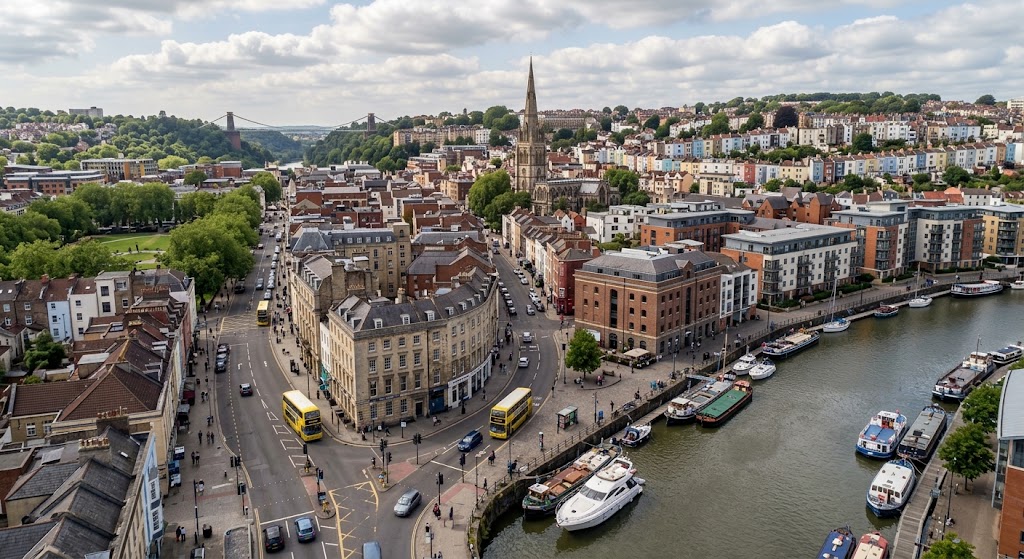
Bristol holds a title most sellers have never heard of and estate agents rarely mention: it’s England’s Japanese knotweed capital. Analysis by invasive species specialist Environet identif...
Owning an uninhabitable house might save you on council tax but it's a false economy; properties claiming exemptions in England deteriorate faster in value than they save in tax, leading to financial catastrophe. Instead of basking in exemption relief, consider that you're losing out by letting the property rot away, making selling it now a potentially smarter move to avoid major losses.
Uninhabitable for council tax means: structural damage making it dangerous to live in, no working facilities, or major repairs needed. You save £1,800 yearly in council tax. Meanwhile the property loses £12,000 yearly in value deteriorating empty.
False economy. Catastrophic mathematics.
Here’s the truth. In 2025, over 8,400 property owners in England claimed council tax exemption for uninhabitable properties. Average exemption period: 14 months. Average property value loss during that period: £18,000. They saved £2,100 in council tax whilst their properties lost £18,000 in value.
Saving pennies whilst losing pounds. That’s what council tax exemption for uninhabitable property actually is.
You inherited your dad’s house. Roof partially collapsed. Bathroom doesn’t work. Kitchen condemned. Structural cracks everywhere. Council surveyor inspected. Granted Class A exemption. Uninhabitable. No council tax payable.
Relief. At least you’re saving £140 monthly not paying council tax whilst you figure out what to do.
Except you’re not saving anything. You’re losing £1,000 monthly in property value deterioration whilst saving £140 in tax. Net position: Losing £860 monthly. Every single month. That’s not relief. That’s financial disaster disguised as benefit.
Nobody tells you this. Council grants exemption. You think you’ve caught a break. Actually you’ve started countdown to financial catastrophe.
Listen. This is about what actually qualifies as uninhabitable for council tax, why exemption is false economy, and why selling the disaster now saves you tens of thousands versus holding it tax-free whilst it rots.
Here’s what qualifies property as uninhabitable for council tax exemption:
Meet any one of these criteria? Potentially exempt from council tax. Potentially. Not automatic. Council sends inspector. Inspector decides. Grants Class A exemption or refuses it.
Exemption lasts 12 months maximum initially. Can be extended if major repair works are genuinely progressing. Key word: progressing. If property just sits rotting, exemption ends. Council tax bill arrives.
But here’s what nobody tells you: Whether you’re exempt or not is irrelevant. You’re losing money catastrophically either way.
Council Tax Class A exemption applies to: “Property requiring or undergoing major repair to render it habitable.”
Two parts to that definition. Requiring major repair. Or undergoing major repair. Either qualifies.
Your property requiring £45,000 of major repairs? Qualifies. Even if you’re not doing any repairs. Even if property sits empty rotting. Still exempt. For 12 months anyway.
Your property actively being renovated? Qualifies. Exemption continues whilst work progresses. Show council you’re working on it. Exemption extends.
But here’s the catch councils don’t explain: “Requiring repair” doesn’t mean “getting repaired.” Property can sit rotting for 12 months whilst you save £1,800 council tax and lose £18,000 in property value deterioration.
Legal definition focuses on property condition. Not on financial sense. Not on whether exemption benefits you. Just: is it uninhabitable requiring major repair? Yes? Exempt.
Whether that exemption destroys you financially whilst you claim it? Not council’s concern. They’ve done their job. Exempted you from tax. What happens to your asset value whilst tax-exempt? Your problem.
Here’s the false economy of council tax exemption on uninhabitable inherited property:
You’re not saving money. You’re bleeding money slightly slower than if you paid council tax. Still bleeding catastrophically.
Every month property sits empty uninhabitable claiming tax exemption:
That’s not silver lining. That’s disaster. Twelve months of exemption costs you £10,200-16,200 net whilst you “save” £1,800. Mathematics doesn’t lie.
Linda’s mum died March 2023. Left house in Radford. Roof partially collapsed during storms. No working bathroom after pipes froze and burst. Kitchen condemned by building inspector. Major structural cracks from subsidence.
Linda couldn’t afford £45,000 repairs needed. Property worth £180,000 if repaired. Worth nothing as-is. No buyers. No way forward. Overwhelmed.
Solicitor suggested applying for council tax exemption. “At least you won’t pay council tax whilst you decide what to do.”
Linda applied. Council inspected. Granted Class A exemption. She’d save £1,680 yearly not paying Band D council tax. Silver lining in nightmare situation.
Property sat empty 16 months. Linda paralyzed by overwhelming repair costs. Couldn’t afford repairs. Couldn’t sell uninhabitable property through estate agents. Stuck.
Meanwhile:
Original valuation if repaired: £180,000.
After 16 months deterioration: Worth £85,000 maximum to cash buyers willing to take disaster projects.
Linda saved £2,240 in council tax over 16 months. Lost £95,000 in property value. Plus paid £1,100 empty property insurance during that time.
Net financial position: Lost £94,860 whilst “saving” council tax. Catastrophe masked as benefit.
October 2024 Linda finally contacted us. Desperate. We offered £85,000. She accepted. Completed November 2024.
She walked away with £85,000 cash. Relieved nightmare was over. But haunted by knowing: If she’d sold March 2023 when inheriting, property was worth £130,000 as-is to us then. She’d have received £130,000.
Waiting 19 months claiming council tax exemption cost her £45,000 in additional deterioration losses. Plus £2,240 saved in tax. Net cost of waiting: £42,760.
That’s what council tax exemption actually costs. Not saves. Costs. Enormously.
You didn’t choose this. Happened to you. Here’s how:
Elderly parent died. Property deteriorated for years before death whilst they lived there unable to maintain it. You inherited disaster not asset.
Can’t afford repairs needed. £30,000-80,000 typically for uninhabitable properties. Don’t have that money. Can’t borrow it against uninhabitable property. Stuck.
Don’t want to sell “family home” even though it’s uninhabitable wreck. Emotional attachment to memories. Guilt about selling cheaply. Paralyzed.
Think council tax exemption while deciding is smart move. At least not paying tax. Feels like breathing space to think. Actually countdown to catastrophe.
Overwhelmed by scale of repairs needed. Don’t know where to start. Builders quote £45,000. Seems impossible. Freeze. Do nothing. Property deteriorates further.
Hope property will somehow improve whilst you figure things out. It won’t. It deteriorates faster empty. Vandalism. Weather damage. Decay accelerates. Gets worse not better.
This isn’t your fault. You inherited nightmare. But keeping it destroys you financially. Even tax-free, it’s destroying you. Every month costs you thousands watching asset rot.
Structural damage, no working facilities (bathroom, kitchen, heating), major fire or flood damage, condemned as unsafe, or requiring substantial renovation before habitable.
Council doesn’t take your word. Sends inspector. Inspector assesses property against criteria. Decides if genuinely uninhabitable or just needs decoration.
Just tatty and old-fashioned? Not uninhabitable. Habitable but unpleasant. Pay council tax.
Genuinely dangerous, non-functional, or requiring major building work? Uninhabitable. Class A exemption granted.
Exemption maximum 12 months initially. Council reviews. If major works progressing, extends exemption. If property just sitting rotting, exemption ends. Council tax bill arrives.
But even with exemption continuing, you’re losing money. That’s the brutal reality councils don’t explain when granting exemption.
There is no easier way to sell a house today.



Not if granted Class A exemption by council. But you still pay insurance, security measures, utilities standing charges, and watch property lose £1,000-1,500 monthly in value through deterioration.
False economy. Massive false economy.
You’re exempt from £150 monthly tax bill whilst property loses £1,200 monthly in value. Saving small. Losing large. Net position: Financial disaster.
Plus empty property insurance costs more than occupied property insurance. Band D property occupied: £250 yearly insurance. Same property empty uninhabitable: £750 yearly insurance. Three times higher because risks are higher.
Security costs preventing vandalism: £400-800 yearly. Boarding windows. Security patrols. Alarms. Otherwise vandals strip it. Copper gone. Boiler gone. More damage.
So you’re “saving” £1,800 yearly council tax whilst paying £1,150 extra in insurance and security and losing £14,400 in property value. Net annual position: Losing £13,750.
That’s not saving. That’s haemorrhaging money tax-free.
Twelve months initially. Extendable if major works genuinely happening. But every month property sits deteriorating, you lose more value than you save in tax.
Month 1 uninhabitable: Saved £150 tax, lost £1,200 value. Net: -£1,050.
Month 6 uninhabitable: Saved £900 tax, lost £7,200 value. Net: -£6,300.
Month 12 uninhabitable: Saved £1,800 tax, lost £14,400 value. Net: -£12,600.
Mathematics doesn’t improve. Gets worse. Compound losses. Accelerating deterioration. Vandalism risk increases. Property becomes worth less and less whilst you save tax.
After 12 months, if no progress, council ends exemption. Now you’re paying council tax on worthless wreck. Worst of both worlds.
If repairs needed are substantial making it genuinely uninhabitable: potentially yes. Council inspects and decides. If just needs cosmetic work but habitable: no.
But wrong question. Right question: Should I claim exemption even if I qualify?
Answer: No. Sell it instead. Stop the value deterioration immediately. Walk away with cash. Move on with life.
Exemption feels like benefit. It’s trap. Keeps you holding disaster whilst it destroys your wealth £1,200 monthly. For 12-16 months. Total destruction: £14,400-19,200.
Our 70% offer on day 1 versus holding it 12 months tax-exempt then selling for 50% less than we’d offer today? Our offer today wins by tens of thousands.
Monthly holding costs while claiming exemption:
Empty property insurance: £50-75 monthly (£600-900 yearly). Higher than occupied because risks are higher. Vandalism. Squatters. Fire. Weather damage. Insurers charge accordingly.
Security measures: £35-65 monthly (£400-800 yearly). Steel boarding for broken windows. Security patrols if high-risk area. Alarms monitored. Garden maintenance preventing it looking obviously empty. Necessary or vandals destroy it completely.
Utility standing charges: £20 monthly minimum (£240 yearly). Even disconnected, standing charges apply. Connected for security lighting? Higher costs.
Property value deterioration: £1,000-1,500 monthly (£12,000-18,000 yearly). Roof deteriorates. Damp spreads. Vandals strike. Decay accelerates empty. Worth less every month.
Potential vandalism damage: £2,000-8,000 if happens. Copper stripped. Boiler stolen. Windows smashed. Additional damage beyond deterioration. Happens frequently to empty properties.
Potential squatters eviction costs: £3,000-6,000 if happens. Squatters move in. Legal eviction required. Court proceedings. Bailiffs. Costs mounting whilst property further damaged.
Total annual cost holding uninhabitable property claiming tax exemption: £15,000-27,000. Whilst saving £1,800 council tax.
Net annual loss: £13,200-25,200. That’s not saving money. That’s financial suicide watching asset die tax-free.
Estate agents need buyers with mortgages. Banks won’t mortgage uninhabitable properties. No mortgages means no buyers through estate agents. No buyers means agents won’t list it.
You call estate agent. “I’ve inherited property needs selling.”
Agent views it. Roof collapsed. No bathroom. Structural damage. Takes photos. Says: “Sorry, we can’t help. Property needs to be habitable for us to market it successfully. Get the repairs done first then call us back.”
Repairs cost £45,000. You don’t have £45,000. Can’t borrow against uninhabitable property. Stuck.
Agent won’t list uninhabitable property because they know their buyers can’t get mortgages on it. Wastes their time marketing unmarketable property. They decline.
Even if agent agrees to list it, only buyers are cash buyers or developers. They lowball you massively. Offer 40-50% of repaired value. Agent earns tiny commission. Not worth their effort. They withdraw.
You’re stuck with uninhabitable property. Estate agents won’t help. Property rotting. Council tax exempt. Losing £1,200 monthly. Nightmare.
Property auctioneers accept uninhabitable properties. But expensive and risky:
Entry fee: 2.5% plus VAT whether sells or not. £180,000 property (if repaired value) = £5,400 entry fee. Pay it upfront. Property might not sell. Fee not refunded.
Reserve price risk: Auctioneer helps set reserve. Too high? Doesn’t sell. Too low? You’ve given it away. Either way you paid £5,400 entering.
Legal pack costs: £800-1,200 preparing auction legal pack. Pay upfront. Property doesn’t sell? Money wasted.
Actual prices achieved: Uninhabitable properties sell for 40-60% below market value at auction. Developers bidding expecting huge discounts for repair costs.
No certainty: Reserve not met? Property withdrawn unsold. You’ve spent £6,200-6,600 in fees for nothing. Property still sitting rotting. More months lost.
Example: Property worth £180,000 if repaired. Auction entry fee £5,400. Legal pack £1,000. Total upfront: £6,400.
Scenario 1: Doesn’t sell. Reserve not met. Lost £6,400. Property still yours. Still rotting. Still costing £1,200 monthly.
Scenario 2: Sells for £81,000 (45% of repaired value). After entry fee: Net £75,600. Lost £104,400 compared to repaired value. Plus paid £6,400 fees. Disaster.
Either scenario is expensive nightmare. That’s auctions for uninhabitable properties.
| Method of sale | Value achieved | Fees | Timeframe | Is sale guaranteed? |
|---|---|---|---|---|
| Estate agents | 90–95% | 1–5% | 3–6 months | No – one in three sales collapse |
| Auctioneers | 70–80% | 2% plus | 2–3 months | No – half of properties don’t sell |
| Property Saviour | 70–80% | £0 | 10–28 days | Yes – 99% success rate |
We buy properties regardless of condition. Uninhabitable? Not a problem for us. We buy disasters daily.
Collapsed roof? We’ll buy it. Don’t care. We’re fixing it anyway.
No bathroom? We’ll buy it. We’re rebuilding it completely anyway.
Structural damage? We’ll buy it. Our builders handle worse weekly.
Fire damage? We’ll buy it. We specialise in fire-damaged properties.
Flood damage? We’ll buy it. Water damage is fixable.
Condemned by council? We’ll buy it. We’ll get the prohibition notice lifted.
Seventy percent of what it’s worth if fully repaired. Not 70% of current wreck value. Seventy percent of what it would sell for if someone spent £45,000 repairing it properly.
Property worth £180,000 if repaired? We pay £126,000. You walk away with £126,000 cash. Avoid £45,000 repair costs. Avoid months of work. Avoid planning and dealing with builders. Avoid risk repairs cost more than estimated.
Net to you: £126,000 certain cash in 3 weeks. Versus spending £45,000 and 6 months getting repairs done, then selling for £180,000 through estate agent (minus 2% fees = £176,400), net £131,400 after 6 months and massive effort and risk.
Difference: £5,400 more their way. But 6 months longer. £45,000 at risk if repairs overrun. Massive effort managing builders. Uncertainty whether repairs will actually make it worth £180,000.
Our way: £126,000 certain cash in 3 weeks. Zero effort. Zero risk. Done. Move on with life immediately.
Most people choose certainty and speed over theoretical extra £5,400 in 6 months that might not materialize anyway.
Protect yourself by checking we’re real.
Go to Companies House website. Search “Property Saviour” or our company name. Click our company number. Scroll to “Charges” section.
Red flags showing fake cash buyers:
We have zero charges. Check us yourself now. Zero charges because we don’t borrow money to buy properties. We use our own cash. Real cash buyers show zero charges on Companies House.

Verify every cash buyer this way before accepting offers. Liar buyers waste your time whilst property deteriorates further costing you more thousands monthly.
Here’s exactly what 70% means for uninhabitable inherited property:
| Cost Component | Percentage | What It Covers |
|---|---|---|
| Purchase Price | 70% | To you (of repaired value not wreck value) |
| Legal Fees | 2% | Both solicitors, fast completion |
| Holding Costs | 3% | Insurance, council tax, security, utilities whilst we repair |
| Stamp Duty | 5% | Government tax we must pay |
| Resale Costs | 5% | Estate agents, solicitors when we eventually sell after repairs |
| Gross Profit | 15% | Before corporation tax 25% |
Example property worth £180,000 if repaired:
Our offer: £126,000 (70% of £180,000)
Your net: £126,000 cash in 3 weeks
Your repair costs avoided: £45,000
Your time saved: 6 months minimum
Your risk eliminated: 100%
Compare to repairing yourself then selling:
Repair costs: £45,000 (might be more, often is)
Time: 6 months minimum
Agent fees after repairs: £3,600 (2%)
Sold price hoped-for: £180,000
Net to you: £131,400
Extra effort: Massive
Risk: Substantial
Difference: £5,400 more their way after 6 months effort and risk.
Versus our £126,000 certain in 3 weeks zero effort zero risk.
Most people choose certainty. We understand. That’s why we exist.
Here’s what 12 months of uninhabitable property actually costs versus selling to us now:
Our option wins on speed and certainty. Repair option might net £5,400 more but takes 6 months and massive effort and substantial risk. Holding it claiming exemption loses £14,990 yearly whilst you achieve nothing.
Mathematics doesn’t lie. Sell the disaster now. Stop the bleeding immediately. Walk away with six figures cash. Done.
Stop claiming council tax exemption. You’re losing money. Here’s your action plan:
Council tax exemption on uninhabitable property is expensive delusion. Sell it. Stop the financial bleeding. That’s the only smart move.
Stop claiming council tax exemption whilst property loses £1,200 monthly in value. Whether you inherited uninhabitable house or own one needing major repairs, we’ll explain why selling now saves you tens of thousands versus holding it tax-exempt whilst it rots.
Our guarantee: 70% of repaired value paid to you in cash within 3 weeks. You avoid all repair costs, all holding costs, all deterioration losses, all effort, all risk. Walk away with six-figure cash. Problem solved permanently.
That’s smart. Council tax exemption whilst watching asset die is expensive false economy costing you £850-1,350 monthly net loss.
Property worth £180,000 if repaired? We’ll pay £126,000 cash in 3 weeks. Versus holding it 12 months tax-exempt losing net £14,990 then selling it for £95,000 after year’s deterioration. Our offer today versus wreck price in 12 months? We’re saving you £45,000 by acting now.
Request your callback now. Let’s discuss your uninhabitable property and why selling this week stops financial disaster continuing another month.

Whether you’re facing a tricky sale, navigating probate, or simply looking to sell fast without hassle, you’re in the right place. Our blog is packed with practical advice, expert insights, and real-life tips to help homeowners, landlords, and executors across England, Scotland and Wales make informed decisions — whatever the condition of their property.