Sell House Fast Bristol
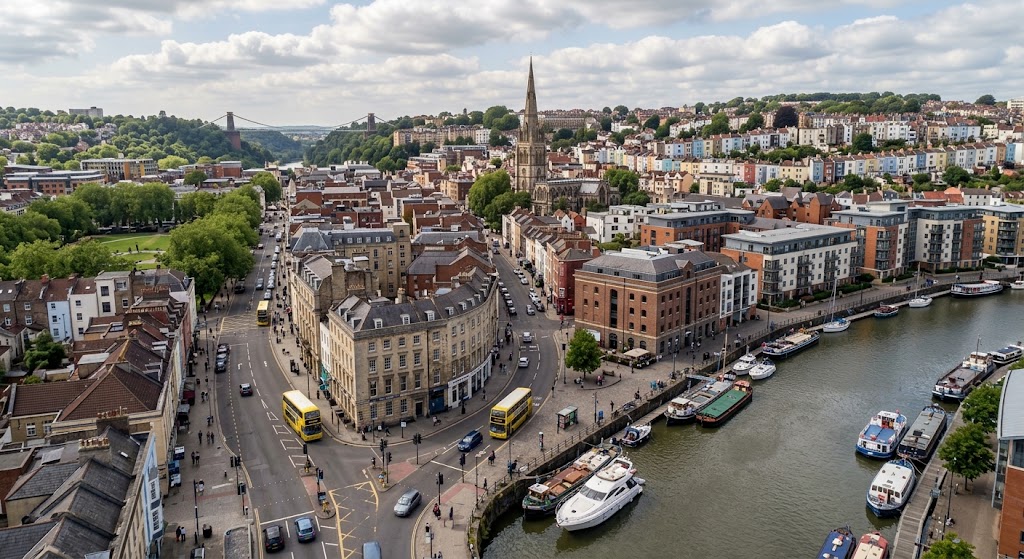
Bristol holds a title most sellers have never heard of and estate agents rarely mention: it’s England’s Japanese knotweed capital. Analysis by invasive species specialist Environet identif...
Wet rot is a deal-breaker when selling your home because it scares off buyers and their mortgage lenders, who see it as a major structural defect. Repairing wet rot is costly and involves a lot of disruption, but Property Saviour offers a hassle-free cash purchase option, bypassing the finance hurdles and giving sellers peace of mind without any repair demands.
Yes, wet rot will prevent you from selling to most buyers because mortgage lenders reject properties with active wet rot until repairs are completed and certified, surveyors classify it as a serious defect requiring immediate attention, and traditional buyers can’t get finance or won’t risk the potential structural damage and repair costs.
Here’s what nobody tells you about wet rot in February 2026. Approximately 70% of mortgage applications get rejected on properties with active wet rot reported in surveys. Repair costs range £3,000-£15,000 depending on extent and location. But finding the full extent often requires invasive investigation costing thousands more. Buyers walk away rather than risk inheriting your timber decay problem.
Estate agents will list your wet rot property but can’t stop mortgage lenders rejecting every buyer who needs finance. Property Saviour buy houses with wet rot for cash in 2-3 weeks with no repair demands and no renegotiation after inspection – giving you certainty when estate agents are delivering six months of failed surveys and withdrawn offers.
Nobody tells you when you first spot that soft timber that selling becomes impossible. They tell you after the surveyor’s been and your buyer has withdrawn.
You’ve found wet rot somewhere in your property. Maybe you noticed soft spongy timber under the bathroom. Maybe floorboards that feel dangerously wrong when you walk on them. Maybe the surveyor found it during an inspection for a buyer. Now you know it’s there. And you know legally you have to disclose it when selling.
Estate agents will list your property despite the wet rot. They’ll mention vaguely “some updating required” in the description. Code language for problems. Then viewings happen as normal. Buyers genuinely like the house. Then their surveyor inspects thoroughly. Wet rot gets reported as Category 2 defect. “Urgent attention required. Potential structural implications.” Mortgage lender refuses the application immediately. Your sale dies.
The few buyers who even consider proceeding want £20,000 off your asking price for £8,000 worth of actual repairs. They’re using your desperation and the wet rot discovery to slash the price unfairly. Or they demand you fix everything before completion. But fixing it means finding a timber specialist. Getting multiple quotes. Doing disruptive work. Waiting for official certification. Months of delay and thousands spent before the buyer might still pull out anyway.
Property auctioneers might accept your property. But “wet rot requiring specialist remediation” goes prominently in the legal pack. Potential bidders see that statement and calculate massive repair costs in their heads. Half the auction room stops bidding immediately. You’re lucky to achieve 60% of realistic value if it sells at all.

Wet rot is fungal decay of timber caused by excessive moisture over prolonged periods. It occurs when timber moisture content exceeds 50% for weeks or months. The fungus Coniophora puteana breaks down the wood structure systematically. Timber becomes soft, spongy, crumbly when touched. It loses all structural strength. In severe cases, it fails completely causing collapse.
Where it appears most commonly in properties. Under baths and around toilets where water leaks slowly. Kitchen areas near sinks and dishwashers with poor seals. Basements with persistent damp or periodic flooding. Window frames with failed seals allowing rain penetration. Roof timbers with leak damage from missing tiles. Anywhere moisture sits against timber for months creates perfect conditions.
Why it absolutely terrifies buyers and mortgage lenders. It indicates ongoing water ingress problems requiring investigation and repair. The visible rot might appear minor but hidden damage could be catastrophically extensive. Structural timbers might be severely compromised. Floor joists supporting rooms above. Roof supports holding up your roof. Wall plates carrying structural loads. Replacing compromised structural timbers costs £8,000-£25,000 minimum. Nobody wants that financial risk.
They classify it as Category 2 in their RICS HomeBuyer Report or Building Survey. “Defects requiring urgent attention but not causing immediate risk of collapse.” That specific classification triggers automatic mortgage lender policies across most major banks and building societies. Most lenders either refuse applications outright or require repairs completed before releasing funds.
The surveyor’s report uses technical language that absolutely terrifies traditional buyers. “Active wet rot noted to floor timbers in bathroom area. Full extent unknown without further invasive investigation recommended. Specialist inspection and treatment required urgently. Further structural damage possible to supporting joists.” Buyers read those words and imagine their life savings disappearing into endless structural repairs.
Even if buyers genuinely want to proceed despite the report, their solicitor reads the survey and advises extreme caution during conveyancing. “This could cost significantly more than currently estimated. Hidden damage often exceeds visible damage. The seller should repair everything before completion.” The buyer then demands you fix it all. Or they simply walk away. Either way, your sale is dying slowly.
You can sell a house with wet rot but must disclose it to buyers, and while cash buyers will purchase properties with wet rot, approximately 70% of mortgage-dependent buyers cannot proceed because lenders reject applications until repairs are professionally completed and certified by timber specialists.
Traditional mortgage-dependent buyers hit an absolute wall with wet rot. Their lender sees the surveyor’s report. Reads “Category 2 defect” and “structural timber decay.” Policy says no. Application denied. Buyer can’t proceed regardless of how much they love your property.
Cash buyers think completely differently about structural defects. No mortgage means no lender veto. No surveyor report killing the deal. They assess the property themselves. Calculate repair costs accurately. Factor those costs into their offer. Then they complete anyway. They’re your realistic market for wet rot properties.
Why estate agents struggle despite their optimism. They list your property hoping to find that rare cash buyer through their normal channels. But their database is 85% mortgage buyers. Those buyers can’t proceed with wet rot. You’re stuck marketing to 15% of the market through a method designed for 100% of the market. That’s why it takes months and multiple price reductions.
You must legally declare wet rot when selling because the TA6 Property Information Form asks about defects and dampness, surveyors will discover it during inspections anyway, and failing to disclose known structural issues constitutes misrepresentation that can result in buyers suing you after completion for repair costs and damages.
The TA6 form asks directly about property defects. Question 7.2 covers dampness and timber issues specifically. You must answer truthfully and completely. Lying is misrepresentation. It’s a criminal offence with serious consequences.
What happens if you try hiding the wet rot. Surveyors find it within the first hour of inspection. They’re trained to look for soft timber, discolouration, fungal growth, moisture damage. They use moisture meters and probes. You can’t hide structural timber decay from professionals. They discover it. Report it. Your credibility is destroyed. The buyer withdraws and possibly reports you.
Why honesty is legally required and practically better. Disclosure is mandatory under property law. Surveyors always find wet rot during inspections. Buyers can sue you after completion for non-disclosure. Being honest upfront attracts the right buyers – cash buyers and investors who’ll proceed anyway. Wasting time on mortgage buyers who can’t complete helps nobody.
Wet rot can devalue a property by 20-35% depending on extent and location because buyers factor in repair costs of £3,000-£15,000, potential for hidden damage requiring expensive invasive investigation, and the severely restricted pool of cash-only buyers willing to purchase properties with structural timber issues.
Here’s the brutal mathematics explained clearly. Your property might be worth £250,000 with sound timber throughout. Same location. Same condition. Everything identical except the wet rot situation.
But that wet rot eliminates 70% of potential buyers immediately. Mortgage buyers can’t get finance. First-time buyers can’t proceed. Family buyers won’t risk it. You’re left with cash investors, landlords, and developers only. Maybe 30% of the normal market.
Supply and demand economics apply ruthlessly. Fewer buyers means lower prices achieved. The remaining buyers know you’re desperate. They know you can’t sell to mortgage buyers. They’ll offer £150,000-£200,000. That’s 60-80% of realistic value depending on wet rot severity and extent.
You’ve done nothing wrong but a hidden leak you didn’t know about is costing you £30,000 – that unfairness stings but understanding it helps you decide what to do next.
There is no easier way to sell a house today.



Fixing wet rot before selling costs £3,000-£15,000 but may not recover that investment because buyers still negotiate lower prices knowing about the history, invasive investigation often reveals more problems increasing costs significantly, and repairs take 4-8 weeks during which you’re paying holding costs and might still lose buyers.
Let’s run honest numbers on the repair option. Specialist timber inspection costs £800. Replacing affected timbers costs £4,000-£8,000 depending on accessibility. Fungicidal treatment of surrounding areas costs £1,500-£2,500. Replastering and redecorating affected rooms costs £2,000-£3,000. Total spend £8,300-£14,300 before you even list the property.
Then you list at full market value with estate agents. Takes four to six months to find a buyer comfortable with the repair history. Some buyers still negotiate lower knowing about the previous wet rot. You pay estate agent fees, solicitor costs, holding costs during the lengthy sale period. Total costs hit £20,000-£25,000 easily.
When repairs make sense versus when they don’t. Light wet rot caught early. Clear moisture source easily fixed. Cosmetic timbers affected not structural. Repairs under £5,000 recovering £20,000 value. That’s sensible. Heavy wet rot. Structural timbers affected. Unknown extent requiring investigation. Repairs exceeding £10,000 with uncertain value recovery. That’s gambling. Sell as-is to cash buyers instead.
Most mortgage lenders will not approve loans on properties with active wet rot until repairs are completed by qualified specialists and certified, with retention clauses sometimes used to hold back £8,000-£15,000 of the mortgage until remediation is independently verified as complete.
Here’s how retention clauses destroy sales. Your buyer needs a £200,000 mortgage to purchase your property. Surveyor reports wet rot requiring £10,000 repairs. Lender says “we’ll lend £190,000 now and retain £10,000 until the wet rot is fixed and certified.” Your buyer suddenly needs an extra £10,000 in cash they don’t have. Plus money to fund the repairs. Sale collapses immediately.
The few lenders who might approve without retention charge premium interest rates. Higher arrangement fees. Require perfect credit history. Demand larger deposits. Your already tiny buyer pool shrinks to almost nothing. You’re realistically left with cash buyers as your only viable market.
Why mortgage rejection is so common with wet rot. Lenders follow strict lending criteria written by risk departments. Timber decay affecting structure equals high risk. High risk equals decline. Simple as that. No amount of begging or explaining changes their computer systems and policies.
Fixing wet rot takes 4-8 weeks minimum including identifying the moisture source, drying out affected areas properly, replacing damaged timber sections, treating surrounding areas with fungicide, and obtaining specialist certification, with complex cases involving structural timbers taking 8-12 weeks and costing significantly more.
The timeline breaks down like this. Specialist inspection and report takes 1 week. Fixing the moisture source takes 1-2 weeks. Drying out affected areas takes 2-3 weeks. Replacing timber and treating takes 1-2 weeks. Replastering and decorating takes 1-2 weeks. Certification takes 1 week. Total 7-11 weeks minimum for straightforward cases.
Why it’s not a quick fix you can do cheaply. The moisture source must be found and fixed permanently. Affected areas must dry completely before repairs start. Specialist timber companies charge properly for their expertise. Certification requires independent inspection. Rushing any stage risks the wet rot returning within months.
Why many sellers choose selling as-is instead of repairing. The time commitment is substantial. The cost is significant and uncertain. You’re paying holding costs throughout. Buyers might still negotiate knowing about the history. Sales can still fall through for unrelated reasons. Cash buyers remove all that uncertainty immediately.
Estate agents will list your property knowing about the wet rot situation. They’ll photograph carefully avoiding the affected areas entirely. Write descriptions focusing on location, layout, and potential rather than condition. “Requires some updating” becomes their standard phrase. Then buyers arrive and initially love the house until the survey happens.
Their surveyor finds the wet rot within the first hour of inspection. Reports it prominently as Category 2 defect requiring urgent attention. Buyers receive the report and panic understandably. Their mortgage broker tells them honestly most lenders won’t lend on wet rot properties. The few lenders who will might require retention clauses the buyer can’t afford. Buyers either demand you fix everything before completion or they withdraw completely.
After six weeks of failed offers directly because of wet rot, your agent suggests a substantial 25% price reduction. “To attract cash buyers or reflect the repair costs needed.” You’re giving away £50,000 because of £8,000 worth of rot. That’s the estate agent method of sale with structural defects like wet rot.
Five minutes of checking protects you from months of wasted time with fraudulent companies.
Go to Companies House website right now. Type in the cash buyer company name. Click through to their detailed profile. Scroll down to the “Charges” or “Mortgages” section carefully. Count exactly how many are listed.

Property Saviour shows zero charges listed. Completely clean record. Genuinely funded with real money. When we say cash, we mean money sitting in our business account ready to transfer immediately upon completion.
Fake cash buyers show twelve charges across twelve properties. Every single property they claim to “own” is mortgaged heavily. They’re not cash buyers at all. They’re mortgage-dependent operators pretending to have funds. When they try buying your wet rot property, their lender will see the defect. Question it extensively. Possibly reject them. You’ve wasted two months when you desperately needed certainty.
Verify first. Commit second. It matters when wet rot is preventing normal sales.
| Method of sale | Value achieved | Fees | Timeframe | Is sale guaranteed? |
|---|---|---|---|---|
| Estate agents | 90–95% | 1–5% | 3–6 months | No – one in three sales collapse |
| Auctioneers | 70–80% | 2% plus | 2–3 months | No – half of properties don’t sell |
| Property Saviour | 70–80% | £0 | 10–28 days | Yes – 99% success rate |
We buy houses with wet rot at 70% of realistic market value. Cash. As-is. Complete in 2-3 weeks if you need speed. No repair demands before purchase. No renegotiation after our surveyor confirms the extent properly. No retention clauses. Just certainty and cash in your account.
Why exactly 70%? Because we’ve got genuine costs fixing your wet rot problem professionally.
| Cost Item | Percentage | Why It Matters |
|---|---|---|
| Purchase price paid to you | 70% | What lands in your account now |
| Solicitor fees | 2% | Legal work costs money |
| Holding costs | 3% | Council tax, insurance, utilities, cleaning |
| Stamp Duty | 5% | Government takes this immediately |
| Resale costs | 5% | Estate agents and solicitors when we sell |
| Gross profit before tax | 15% | Our reward for taking the wet rot risk |
These aren’t numbers invented to justify low offers. They’re completely real and unavoidable. Stamp duty takes 5% before we’ve even started any repairs. While we’re fixing the wet rot, treating surrounding timbers, and replacing damaged structural sections, we’re paying holding costs monthly on an empty property generating no income.
Then come the actual remediation costs we’ll incur. Specialist timber inspection £800. Timber replacement costs £4,000-£8,000 depending on extent. Fungicidal treatment and certification £2,000-£2,500. Replastering and redecorating affected areas £2,500-£3,000. That’s £9,300-£14,300 in direct costs before we can even list the property for resale.
Our 70% offer is fair when you calculate actual reality. Not generous. Not exploitative. Fair dealing based on genuine costs we’ll incur fixing your wet rot properly.
But we also offer assisted sale for wet rot properties where the damage is caught early and remains localised.
Our assisted sale service works for properties where wet rot is caught early and remains minor. Small contained damage only. Clear moisture source easily identified and fixed. No structural timber compromise. We help you achieve 73-77% of realistic market value instead of 70%.
Here’s exactly how it works in practice. We assess the extent honestly with specialist timber input. If repairs are straightforward and under £6,000, we might fund them ourselves then market the property properly to our contacts. Or we find a builder or investor from our extensive network who’ll handle repairs themselves for a reduced price still better than our straight cash offer.
You receive 73-77% of value. That’s potentially £8,000-£18,000 more in your pocket. We give you a cash advance upfront proving our genuine commitment. We pay all marketing fees throughout. And if we can’t find a suitable buyer within 8-10 weeks, we buy the property ourselves at our original cash offer price.
You risk absolutely nothing. You can only gain. It’s a true win-win scenario for manageable wet rot situations where spending £5,000 on professional repairs increases sale value by £20,000 through accessing slightly better buyer pools.
We don’t judge your timber problems or demand expensive repairs first – we just buy your wet rot property as-is while estate agents are still trying to find the mythical mortgage buyer who doesn’t exist.
Here’s exactly what happens when you contact us:
No corporate speak whatsoever. No “enabling integrated timber remediation strategies.” Just straightforward house buying from people with genuine cash available who understand your wet rot situation.
Step three often surprises sellers in your position. Two offers instead of one lowball? Most companies give one exploitative offer and pressure you into accepting immediately. We present genuine options because every seller’s wet rot situation differs significantly.
Need out immediately? Can’t afford repairs. Can’t wait months for uncertain estate agent sales. Cash offer wins. Take the 70%. Complete in 2-3 weeks. Done.
Got time for potentially better price? Wet rot is minor and localized. Willing to wait 8-10 weeks. Want maximum achievable price. Assisted sale wins. Take the advance. Let us work our specialist contacts. Complete with potentially £10,000-£15,000 more.
Let’s calculate honestly whether repairing makes financial sense. Specialist timber inspection costs £800 upfront. Timber replacement costs £6,000 for moderate damage. Fungicidal treatment and certification costs £1,500. Replastering and redecorating costs £2,000. Total £10,300 spent before listing.
Then you list at £245,000 with estate agents. Takes four months to find a buyer comfortable with the repair history and documentation. You pay £5,500 in estate agent fees plus VAT. £2,000 in solicitor costs. £2,000 in holding costs during those four months. Total costs now £19,800 including repairs.
Sale eventually completes at £245,000. Minus £19,800 in total costs. You net £225,200 after four months of work, stress, and considerable uncertainty.
Our cash offer today? £217,000 approximately. You’re gaining only £8,200 by spending £10,300 upfront and waiting four uncertain months. Might make sense in some situations. Usually doesn’t when you factor in significant risks that buyers still negotiate knowing about the wet rot history. Sales fall through for unrelated reasons. You discover more extensive rot during repairs increasing costs dramatically beyond estimates.
Your wet rot isn’t your fault at all. Hidden leaks cause it silently. You’ve discovered it. Now you’re being punished financially through no fault of your own. Estate agents can’t find mortgage buyers because lenders reject wet rot. The few offers you receive are insultingly low. You’re stuck.
We buy wet rot houses every single week. Multiple properties across the country. No judgment whatsoever. No demands to repair first. No renegotiation after our inspection confirms extent. Just honest assessment, fair offer based on actual repair costs we’ll genuinely incur, and cash in your account within 2-3 weeks guaranteed.
Request your call back right now. We’ll respond within 2 hours during working days. Ten-minute conversation about your property and wet rot situation. No pressure tactics. No tricks. No games.
You’ll receive both offers within 24 hours. Cash and assisted sale if your situation qualifies. Clear figures. No vague ranges. No meaningless “up to” promises. You choose. You decide your completion date. We handle absolutely everything from there.
Your wet rot becomes our problem the moment we complete. That’s what genuine cash buyers do. We solve problems estate agents can’t fix and mortgage buyers won’t touch.
Request your call back now. Let’s get your wet rot house sold.

Whether you’re facing a tricky sale, navigating probate, or simply looking to sell fast without hassle, you’re in the right place. Our blog is packed with practical advice, expert insights, and real-life tips to help homeowners, landlords, and executors across England, Scotland and Wales make informed decisions — whatever the condition of their property.