Sell House Fast Bristol
Bristol holds a title most sellers have never heard of and estate agents rarely mention: it’s England’s Japanese knotweed capital. Analysis by invasive species specialist Environet identif...
An improvement notice is a legal order demanding repairs on your property due to serious safety hazards. Facing one can be daunting, as you're stuck between costly fixes or potential prosecution, but selling to a cash buyer like Property Saviour can be your way out.
An improvement notice is a legal enforcement document served by local councils under the Housing Act 2004 requiring you to fix Category 1 or Category 2 hazards within a specified timeframe. When people desperately search “what is an improvement notice on a property” at 2am, they’ve just received that envelope and panic has set in. Here’s what an improvement notice UK means for you: spend thousands on repairs you cannot afford, or face criminal prosecution.
Property Saviour buy properties with active improvement notices so you avoid repair costs and legal complications entirely. We complete in weeks whilst you skip the nightmare of trying to sell house with improvement notice to mortgage buyers who vanish the moment their solicitor explains the enforcement action.
The moment that official envelope arrives, panic sets in. You know the council means business, and you know mortgage buyers will run a mile from your property. When you ask “can you sell property with improvement notice” the brutal answer is yes, but only to cash buyers who understand what they’re taking on.
Councils serve improvement notices under Sections 11 and 12 of the Housing Act 2004 when they identify hazards that pose risks to occupants. People searching for “what does an improvement notice mean” discover this is not a friendly suggestion. This is legally binding enforcement action backed by criminal prosecution if you fail to comply. The council can fine you, prosecute you, or do the work themselves and send you an eye watering bill for every penny spent.
When you desperately search “what to do with an improvement notice” hoping for easy answers, reality hits hard. The notice cannot start earlier than 28 days from when you receive it, giving you breathing space to understand what you face. That breathing space often feels more like a countdown to disaster. Most homeowners who’ve received improvement notice face being trapped between spending money they do not have or facing prosecution they cannot afford. The stress damages sleep, relationships and mental health whilst the clock ticks down.
Anyone trying to sell home improvement notice UK attached discovers that estate agents make sympathetic noises then ghost you after three viewings produce nothing. When you search “how to deal with improvement notice” the only sensible answer is sell to Property Saviour fast before legal deadlines crush you.
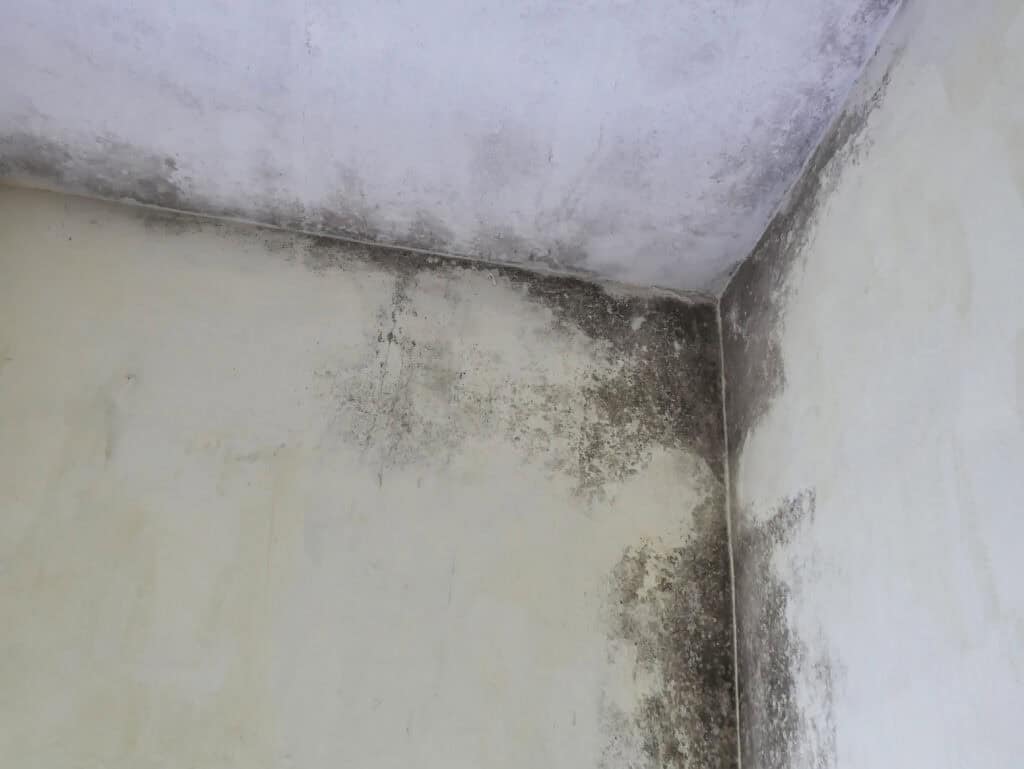
The Housing Health and Safety Rating System judges properties against 29 different hazards that could harm occupants. When councils explain “what is category 1 hazard improvement notice” they mean serious and immediate risks requiring mandatory enforcement action. These include severe damp and mould growth, dangerous electrical systems, structural collapse risks, fire safety failures and inadequate heating causing excess cold. People asking “what is category 2 hazard improvement notice” learn these are less severe but still warrant improvement notices at council discretion.
Councils must take enforcement action when Category 1 hazards exist. They have no choice under the law. Common hazards triggering improvement notices include rising damp affecting multiple rooms, black mould spreading across walls and ceilings, ancient wiring without modern safety protection, broken heating in winter months, unsafe staircases with trip hazards, and structural cracks indicating foundation problems. Each hazard dramatically reduces your property value because buyers and lenders assess risk the same way councils do. When you try selling house improvement notice served, mortgage lenders refuse applications within 48 hours of seeing the enforcement documentation.
Certain hazards appear repeatedly in improvement notices across England and Wales. Damp and mould growth tops the list, particularly in older properties with failing damp proof courses or poor ventilation. The council identifies this when black mould spreads across walls, ceilings show water stains, or that distinctive musty smell pervades rooms. Repair costs range from £8,000 to £18,000 depending on severity and property size.
Electrical hazards follow close behind. Ancient wiring installed in the 1960s or earlier lacks modern safety features like RCD protection and earthing. Councils spot dangerous wiring during inspections, especially in properties where elderly owners lived for decades without updates. Complete rewiring costs £4,000 to £12,000 for a typical three bedroom house. Excess cold from inadequate heating affects properties where boilers died years ago or central heating never existed. Installing new heating systems costs £3,500 to £8,000.
Fire safety hazards include missing or inadequate escape routes, no working smoke alarms and combustible materials near heat sources. Falls on stairs and steps catch properties with broken handrails, uneven treads or inadequate lighting. Structural movement shows as cracks in walls indicating foundation settlement or subsidence. Each hazard carries specific repair requirements and costs that mortgage lenders refuse to ignore, making your property virtually unsellable until someone addresses them.
That’s why cash buyers for houses with improvement notices exist. Property Saviour purchases properties where sell house with improvement notice attempts through estate agents failed miserably after six months of wasted viewings. We complete fast, you escape the enforcement nightmare, and nobody demands you spend £15,000 on repairs before we buy.
Every improvement notice must include specific mandatory information to be legally valid. The notice states whether it is served under Section 11 or Section 12 of the Housing Act 2004. It describes the nature of each hazard identified during inspection. It details the deficiency giving rise to that hazard, so you understand exactly what the council considers dangerous.
The notice specifies the property address, lists the exact remedial actions you must complete, and sets a start date for work at least 28 days from service. It also sets a completion deadline by which all repairs must finish and pass inspection. Crucially, the notice explains your right to appeal within 21 days and identifies who the notice is served on, whether that is the landlord, freeholder, leaseholder, or owner occupier. The council serves copies to occupiers and anyone with a relevant property interest.
Ignoring an improvement notice triggers serious legal consequences that only worsen your situation. The council can prosecute you in magistrates court, potentially resulting in a criminal record and unlimited fine. This criminal record affects employment, travel, and financial services for years. The council can also instruct builders to complete the required work, then bill you for every cost including their administrative expenses and legal fees.
You lose all control when the council takes over. They choose the builders, set the standards, and add their markup. Bills easily double what you would have paid managing the work yourself. Meanwhile, your property remains unsellable because the improvement notice stays registered until someone completes the work and the council signs off. Landlords face additional problems because they cannot serve Section 21 eviction notices whilst improvement notices remain active, trapping them with tenants they cannot remove to sell with vacant possession.
Yes, legally you can sell, but practically it becomes extremely difficult bordering on impossible through normal channels. Mortgage lenders refuse to lend on properties under active enforcement action because the improvement notice signals serious defects and legal liability they will not touch. This eliminates roughly 90 percent of potential buyers who need mortgages to purchase.
Estate agents struggle to market improvement notice properties because their buyer databases consist mainly of mortgage dependent purchasers. The few cash buyers viewing these properties offer insultingly low figures knowing you are desperate. Even retail cash buyers often withdraw after their solicitor explains the legal complications. You must disclose the improvement notice to any potential buyer, and that disclosure kills interest faster than anything else you could reveal about the property.
Properties with improvement notices typically take 12 to 18 months to sell through estate agents, assuming you find anyone willing to list them at all. That timeline assumes you complete all repairs first, which leads to the next impossible situation most homeowners face.
Builder quotes for Category 1 hazard repairs typically range from £10,000 to £40,000 depending on the problems identified. Severe damp treatment, complete rewiring, structural repairs, new heating systems, and fire safety upgrades all cost serious money. You must pay these costs upfront before the council will discharge the improvement notice.
The work takes months to complete properly. You need somewhere to live during major works or endure the noise, dust, and disruption of builders tearing your home apart. Once finished, the council must inspect and approve the work before removing the notice from their register. Only then can you market the property through estate agents, beginning another 4 to 6 month journey towards uncertain completion.
Total timeline from receiving the improvement notice to completing a sale through normal channels stretches to 12 to 18 months. During that entire period, you pay bills, insurance, and council tax on a property you desperately want gone. Worse still, spending £30,000 on repairs rarely adds £30,000 to sale price. You lose most of that investment because buyers discount properties with improvement notice history, even after repairs complete.
Some cash buyers target desperate homeowners with improvement notices, knowing you have limited options. Before accepting any offer, verify the buyer’s legitimacy on Companies House. Search their exact company name and examine the charges register carefully.

A long list of charges indicates heavy borrowing secured against company assets. This means they are not true cash buyers despite their claims. They rely on last minute finance that can collapse days before completion. Also check when the company was formed. Businesses registered within the past 12 months lack proven track records and often dissolve after causing problems for sellers.
Search director names individually to reveal involvement in multiple failed companies or complaints. Check the registered office address. Serviced offices or residential addresses rather than proper business premises suggest temporary operations. Property Saviour shows clean financial records, established trading history since our formation, and transparent business practices because we have nothing to hide from homeowners checking our credentials before trusting us with their biggest financial decision.
There is no easier way to sell a house today.



Some unscrupulous cash home buyers specifically target homeowners who received improvement notices, knowing you face prosecution deadlines and limited options. These we buy any house merchants see your distress as their opportunity for maximum profit through systematic deception.
They offer seemingly generous figures initially, perhaps 80 or 85 percent of pre notice valuation. You feel relieved that someone will buy your problem property. Then the manipulation begins. They send a surveyor who produces a report highlighting every defect the council identified plus several more invented concerns. Suddenly their “building specialist” estimates repair costs at twice what your builder quoted.
Weeks pass whilst you plan your move and notify family you have sold. Then comes the call days before exchange. Their finance partner has concerns. Their legal team discovered additional complications. The improvement notice creates more risk than initially assessed. The offer drops to 55 or 60 percent.
With your deadline approaching and prosecution looming, many homeowners accept this cruel reduction rather than start again. Property Saviour never reduces offers. Our initial 70 percent figure stays firm through completion because we assess everything properly from the start.
Property Saviour buy properties with active improvement notices at 70 percent of realistic market valuation, giving you an immediate exit from legal enforcement situations. That 70 percent is not arbitrary or designed to exploit your distress. It reflects genuine costs we absorb after you complete and move forward with your life.
The remaining 30 percent breaks down into five transparent categories. First, 2 percent covers our legal costs for solicitors handling the purchase. Second, 3 percent pays holding costs including buildings insurance, council tax, utilities, security, and professional cleaning. Third, 5 percent goes directly to stamp duty which the government demands on every property purchase. Fourth, 5 percent covers eventual resale costs including estate agent fees and solicitor charges when we sell onwards. Fifth, 15 percent represents gross profit before corporation tax, which keeps our business operational.
Within that 30 percent, we also absorb the £10,000 to £40,000 repair costs your improvement notice demands. We handle the council relationship, complete all remedial works, arrange inspections, and get the notice discharged. You walk away completely free of legal liability, repair obligations, and prosecution risk. We shoulder everything from completion day forward.
Here is how your options compare when facing improvement notice enforcement.
| Option | Timeline | Your Costs | Legal Risk | Stress Level | Sale Certainty |
|---|---|---|---|---|---|
| Complete Repairs Then Sell Via Estate Agent | 12 to 18 months | £10,000 to £40,000 repairs plus agent fees | High until work approved | Extreme: living through work plus sale stress | Low: mortgage buyers still cautious |
| Appeal The Notice | 3 to 6 months for hearing | Legal fees £2,000 to £5,000 | Very high if appeal fails | Severe: legal battle uncertainty | None: still cannot sell during appeal |
| Do Nothing and Hope Council Forgets | Until prosecution | Fines plus council doing work and billing you | Extreme: criminal prosecution likely | Unbearable: constant fear | None: property legally tainted |
| Sell to Liar Cash Buyers | Starts fast, drags on, often collapses | Time wasted, maybe survey fees | High: still your problem if sale fails | High: manipulation and price cuts | Very low: built on false promises |
| Sell to Property Saviour | 2 to 4 weeks | Zero: we contribute to your legal fees | None: transfers to us at completion | Minimal: clear process and timeline | Guaranteed: we complete as promised |
This comparison shows why Property Saviour represents the only sensible option when councils serve improvement notices. Every alternative leaves you exposed to prosecution risk, massive repair bills, or years of uncertainty whilst your life stays on hold.
Brenda from Selby inherited a three bedroom house from her uncle who had lived there for 40 years without updating anything. The property had severe rising damp in two bedrooms, black mould spreading across bathroom and kitchen ceilings, and electrical wiring that belonged in a museum. Her uncle’s former tenant complained to the council about the mould affecting her children’s breathing.
The council inspection was thorough and damning. They served an improvement notice identifying Category 1 hazards for damp, mould, and electrical safety. The notice gave Brenda four months to complete all remedial work to modern standards. Builder quotes ranged from £24,000 to £31,000 for damp proofing, mould treatment, complete rewiring, and new consumer units throughout.
Brenda worked as a teaching assistant earning modest income. She had no savings after covering funeral costs and probate fees. Her bank refused a loan secured against an unmortgageable property under enforcement action. She contacted estate agents hoping to sell quickly, but every agent explained that mortgage lenders would not touch the property until repairs completed and the council discharged the notice. One agent suggested listing at £85,000 below market value to attract cash investors. Even then, he warned the sale would take many months with high risk of collapse.
Brenda felt sick with worry about prosecution. She imagined standing in magistrates court trying to explain why she could not afford £28,000 for repairs on a property she never wanted to own. The deadline kept creeping closer whilst she had no realistic way to comply. A work colleague mentioned Property Saviour after noticing Brenda’s distress affecting her classroom performance.
The written offer arrived within 24 hours at 70 percent of realistic valuation with full cost breakdown explained. Property Saviour would buy with the improvement notice in place and handle all repairs after completion. Brenda chose a completion date three weeks away. We contributed towards her legal fees and she used a local solicitor who checked everything carefully. The sale completed exactly on schedule. The improvement notice transferred to Property Saviour. Brenda walked away free of legal liability, repair costs, and prosecution risk. She later said those three weeks felt like being rescued from drowning.
Yes, you can appeal to the First Tier Tribunal within 21 days of receiving the notice. Appeal grounds include the notice being served on the wrong person, the works being unnecessary or excessive, or the timeframe being unreasonable. The work requirement suspends during the appeal process, giving temporary breathing space.
However, appeals rarely succeed unless the council made clear procedural errors. The tribunal generally defers to council expertise on hazard assessment. Legal representation costs £2,000 to £5,000 with no guarantee of success. Even if you win, you still own a property that mortgage lenders consider problematic. The appeal process adds months of uncertainty whilst you remain unable to sell. Most homeowners find that appealing delays the inevitable without solving the underlying problem that they need to exit the property quickly.
The start date for required works cannot be less than 28 days from when the council serves the notice. The completion deadline varies based on work complexity, typically ranging from 3 to 6 months for serious hazard remediation. Complex structural repairs or extensive damp treatment may allow longer periods.
Once the completion deadline passes without the council approving finished work, enforcement action begins immediately. The council can prosecute you in court or instruct builders to complete repairs at your expense. You receive no further warning or grace period. The legal hammer falls exactly when the notice states unless you obtained an appeal or negotiated an extension with the council in writing before the deadline.
Yes, dramatically and immediately. Properties with improvement notices lose significant value because mortgage lenders refuse to lend on them. This eliminates 90 percent of the buyer market instantly. The restricted market of cash only buyers knows you face legal pressure, repair costs, and prosecution risk, giving them enormous negotiating leverage to demand heavy discounts.
Even after completing repairs and getting the notice discharged, properties carry stigma in local market memory. Buyers checking council records see the enforcement history and worry about hidden defects. Estate agents find these properties harder to sell even post repair. The improvement notice creates permanent value damage that you can never fully recover, which is why selling immediately to Property Saviour often delivers better net proceeds than spending £30,000 on repairs then selling for perhaps £20,000 more than you would get from us today.
The stress of improvement notices damages more than finances. Homeowners receiving these legal documents report sleep problems, anxiety attacks, and relationship strain. The prosecution deadline creates constant background dread that colours every day. You wake thinking about it. You go to sleep worrying about it.
Some homeowners develop physical symptoms from stress: headaches, digestive problems, high blood pressure. The shame of legal enforcement action makes people withdraw from friends and family. You feel judged for owning a property the council considers dangerous. Children sense parental stress even when you try hiding your worry. Partners argue about money and options when neither of you has good answers.
Living in the property during this period compounds the problem. Every time you see the damp patch or smell the mould, you remember the notice sitting in your drawer. The property that should provide security and comfort becomes a daily reminder of legal pressure you cannot escape. Selling to Property Saviour ends this psychological torture within weeks rather than the months or years other methods demand.
| Method of sale | Value achieved | Fees | Timeframe | Is sale guaranteed? |
|---|---|---|---|---|
| Estate agents | 90–95% | 1–5% | 3–6 months | No – one in three sales collapse |
| Auctioneers | 70–80% | 2% plus | 2–3 months | No – half of properties don’t sell |
| Property Saviour | 70–80% | £0 | 10–28 days | Yes – 99% success rate |
Category 1 hazards represent serious and immediate risks to occupant health and safety requiring mandatory council enforcement. These include severe damp and mould, dangerous electrics, structural collapse risks, serious fire hazards, and extreme cold from heating failures. Councils must take action when Category 1 hazards exist. They have no legal discretion to ignore them.
Category 2 hazards are less severe but still warrant attention. These might include minor damp, older but functioning electrics, or modest fire safety improvements. Councils may issue improvement notices for Category 2 hazards but enforcement is discretionary based on risk assessment. Both categories affect your ability to sell, but Category 1 triggers harsher penalties for non compliance and creates greater mortgage lender fear.
The person served with the notice must pay for all required repairs. This is usually the property owner, landlord, freeholder, or leaseholder identified as having control of the premises. If you fail to comply, the council completes the work and bills you for every cost including their administrative markup and legal expenses.
You have no choice about which builders the council instructs or what they charge. Council appointed builders know they will definitely get paid, so quotes often exceed private market rates. The council adds their project management fees, legal costs, and inspection expenses to your bill. With Property Saviour, we absorb all repair costs after purchase as part of our business model. You pay nothing and face no liability for works completed after we own the property.
Landlords face unique torture when councils serve improvement notices on rental properties. The Section 21 no fault eviction route becomes completely blocked whilst the improvement notice remains active. This legislative protection prevents landlords from evicting tenants to sell with vacant possession, which most buyers prefer.
You cannot remove tenants legally to complete repairs more easily. You cannot sell with vacant possession to maximise price. You remain stuck collecting rent that barely covers mortgage and bills whilst facing prosecution for non compliance. Some tenants exploit this situation, knowing the landlord cannot evict them regardless of behaviour. The landlord pays for repairs benefiting a tenant they may have wanted to remove for other reasons entirely.
Many landlords who inherited rental properties from deceased parents face this nightmare scenario. The property needs work. The tenant complains. The council serves notice. The landlord has neither funds for repairs nor ability to sell easily. Property Saviour buys rental properties with sitting tenants and improvement notices, releasing landlords from impossible situations where every option seems blocked.
Estate agents operate in the mortgage buyer market where improvement notices are instant death sentences for sale prospects. Their entire business model depends on connecting sellers with buyers who have mortgage approvals or agreements in principle. When mortgage lenders see improvement notices, they refuse applications immediately.
Agents may agree to list your property but with dire warnings about extended marketing and price reductions. Some agents refuse improvement notice properties entirely because they damage the agent’s success statistics and waste time on sales unlikely to complete. Even if an agent finds a cash buyer, that buyer will be a professional investor offering 40 to 50 percent below market value knowing you are desperate. Estate agents cannot solve improvement notice problems. They can only prolong your stress whilst monthly bills accumulate.
Property auctions attract investors seeking below market bargains. They know most auction sellers face distress situations like improvement notices. Auction houses charge seller fees of 2 to 3.5 percent plus VAT on the hammer price. You also pay upfront for legal pack preparation, catalogue entries, and marketing costs totalling £1,500 to £3,000.
Investors at auction bid 30 to 40 percent below realistic value for improvement notice properties, factoring in repair costs and hassle. If bidding fails to reach your reserve, you walk away unsold but still liable for auction fees. The improvement notice continues ticking towards prosecution whilst you have wasted weeks and money on an auction that delivered nothing except more stress.
Auctioning a property under enforcement action rarely produces acceptable results because investors hold all the leverage in those rooms full of professional bargain hunters.
We specialise in properties that mortgage lenders and retail buyers cannot or will not touch. Improvement notices represent our core business because we understand the repair work, know reliable builders, and have systems for dealing with councils efficiently. What terrifies ordinary buyers represents a straightforward project for us.
Our 70 percent offer accounts for repair costs we will shoulder after completion. We buy dozens of improvement notice properties every year, so we know exact costs for damp treatment, rewiring, structural repairs, and every other hazard councils identify. We build those costs into our offer transparently, then handle everything after you complete. The improvement notice transfers to us. The repair obligation transfers to us. The prosecution risk transfers to us. You walk away completely free.
We contribute a minimum of £1,500 towards your legal fees. You can use your own solicitor to protect your interests. You choose the completion date between 2 and 4 weeks based on your circumstances. Our offer stays fixed from initial conversation through completion. No survey reductions. No last minute price cuts. No manufactured problems. Just certainty when you desperately need it.
You opened that council letter and felt your stomach drop. The improvement notice lists repairs costing tens of thousands. The deadline looms closer every day. Mortgage buyers will not touch your property. Estate agents offer no realistic hope. Builders want money you do not have. Prosecution risk keeps you awake at night. You feel trapped in a situation with no good options.
Property Saviour buys properties with active improvement notices at 70 percent of realistic valuation with full cost transparency. We complete in 2 to 4 weeks, not 12 to 18 months. You choose the completion date. We handle all repairs after purchase. The improvement notice becomes our problem, not yours. You avoid prosecution, repair bills, and years of stress.
Request a call back from us right now and receive a written offer within 24 hours. Explain your improvement notice situation and we will tell you exactly what we can offer with complete honesty. No pressure. No games.
Just a clear exit from legal enforcement that lets you move forward whilst we handle the repairs councils demand. You have suffered enough stress already. Let us take it from here.
Once you accept our offer and instruct your solicitor, the improvement notice pressure lifts immediately. You know completion will happen in 2 to 4 weeks. You know the price will not change. You know the legal liability transfers to us at completion.
Your solicitor handles the standard conveyancing process whilst we remain patient and flexible. If your solicitor needs extra time for searches or paperwork, we accommodate reasonable requests. We do not pressure or threaten to withdraw. On completion day, funds transfer to your solicitor who pays off any mortgage and sends you the balance. You hand over keys and walk away completely free.
From that moment, the improvement notice becomes our responsibility. We instruct experienced builders to complete the required works to council standards. We arrange council inspections and handle any questions or negotiations.
We pay all costs including repairs, inspections, and administrative fees. You face zero ongoing liability or involvement. The council updates their records showing we now own the property and are addressing the notice.
Your name disappears from their enforcement list entirely. This complete transfer of responsibility lets you sleep properly again, often for the first time in months.

Whether you’re facing a tricky sale, navigating probate, or simply looking to sell fast without hassle, you’re in the right place. Our blog is packed with practical advice, expert insights, and real-life tips to help homeowners, landlords, and executors across England, Scotland and Wales make informed decisions — whatever the condition of their property.